


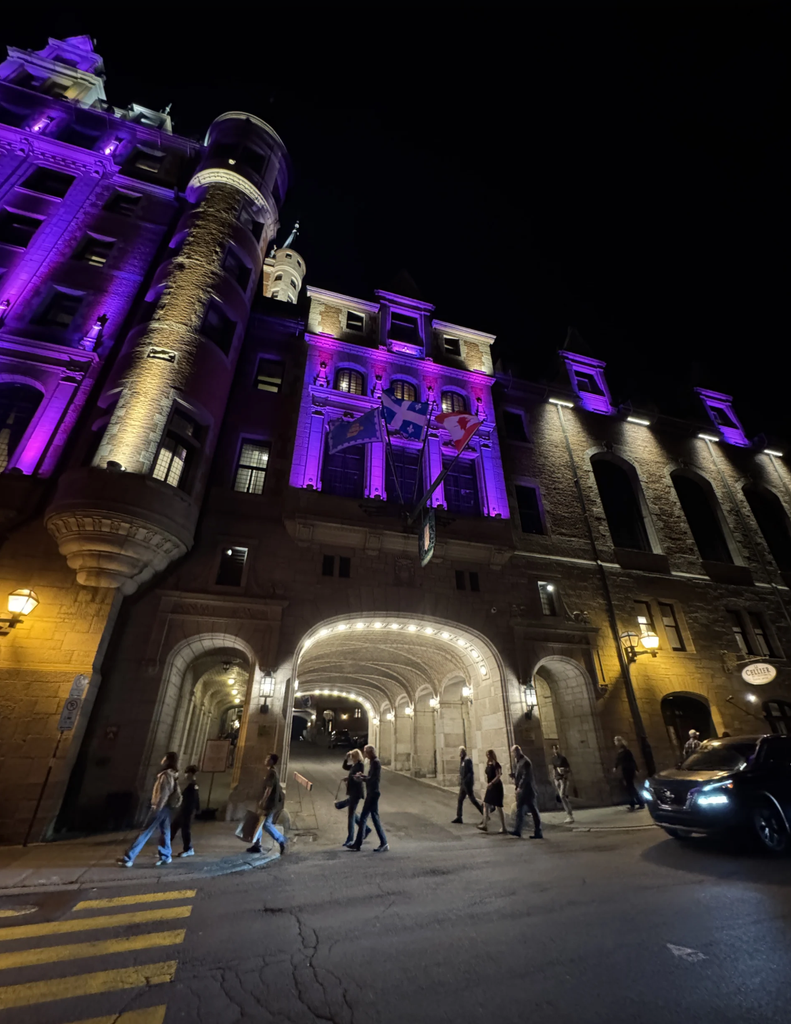
Québec City is one of the easiest places in North America to recommend to someone who wants the atmosphere of a European city without actually flying to Europe.
But I think reducing it to “Europe without the flight” sells it short.
I fell in love with Québec City for the things that make it distinctly Québec: the French language, Québécois food, local wine and cider, the St. Lawrence River, the history built into the streets, and the fact that you can spend a morning wandering cobblestone lanes and an afternoon driving past farms and vineyards on Île d’Orléans.
I’ve spent time here myself, and it’s a destination I would absolutely return to.
It’s also more nuanced to plan than it first appears. The hotel with the prettiest photos isn’t necessarily in the part of the city that will work best for you. “Walkable” doesn’t mean flat. And some of the experiences I enjoyed most aren’t inside Old Québec at all.
Québec City isn’t a destination I would plan from a list of top attractions. Where you stay, how you group your days, and how much time you leave to simply wander can completely change the trip.
So if you’re planning your first trip to Québec City, here’s where I would stay, what I would actually make time for, where I’d eat, and the details I’d want you to know before booking.
The Elegant Escapes Difference
When eligible hotels are booked through Elegant Escapes Travel, I can often add preferred partner benefits such as daily breakfast, hotel credits, potential room upgrades and extended check-in or checkout when available.
But the bigger value is knowing whether paying more for a particular hotel, view or room category is actually going to improve your trip.

Is Québec City worth visiting?
Absolutely — especially if you like trips where food, history and atmosphere are as important as checking attractions off a list.
Old Québec is a UNESCO World Heritage Site and the historic district is the only fortified city north of Mexico. But this isn’t a historic district that shuts down once you’ve taken the photo. People live here. There are restaurants, cafés, shops, hotels and neighborhoods worth exploring well beyond the most photographed streets.
I particularly like Québec City for couples, long weekends, food-focused trips, mother-daughter trips, solo travelers and anyone who wants an international-feeling getaway without a transatlantic flight.
And while you can see the highlights quickly, I wouldn’t rush it.
Amanda’s Take
Three to four nights is my sweet spot for a first Québec City trip.
That’s enough time to experience Old Québec without turning it into a race, have a couple of really good dinners, and get outside the city for somewhere like Montmorency Falls or Île d’Orléans.
If you only have two nights, stay centrally and concentrate on Old Québec.
If you have four or five nights, that’s when I’d consider a fuller day on Île d’Orléans, more time outside the historic core, or extending toward Charlevoix.
A city being compact doesn’t mean you should fill every hour. In Québec City, wandering into a café and sitting over a glass of wine is part of the itinerary.
Where to stay in Québec City
For most first-time visitors, I’d start in or around Old Québec.
But here’s something that’s much more important than it looks when you’re staring at hotel pins on a map:
Upper Town and Lower Town are not interchangeable
Québec City is built on a significant elevation change.
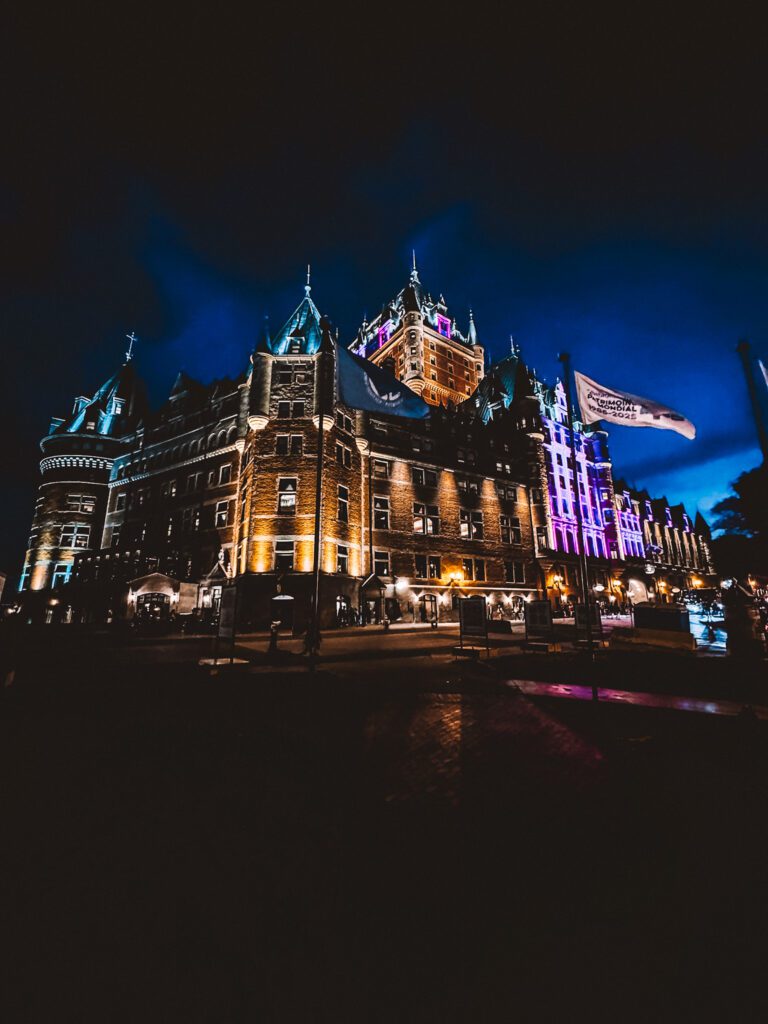
Upper Town puts you around Château Frontenac, Dufferin Terrace, the fortifications, the Citadelle and the Plains of Abraham.
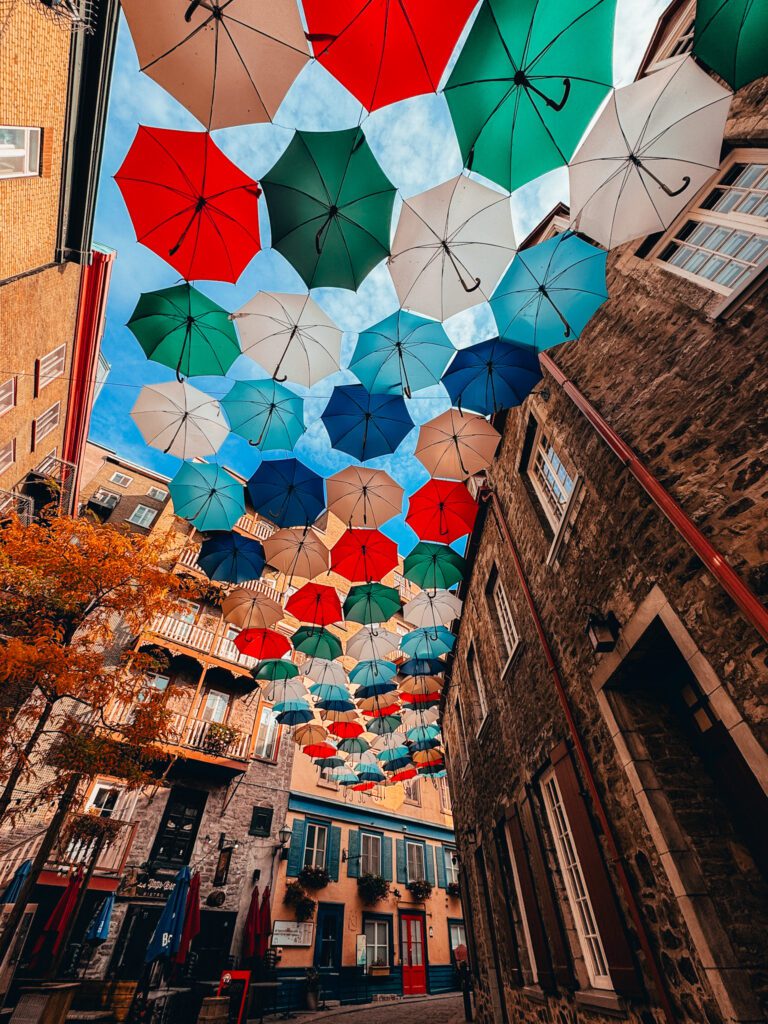
Lower Town puts you around Petit-Champlain, Place Royale and the Old Port.
Stairs, steep streets and the funicular connect them.
That means I don’t choose a Québec City hotel based solely on which room looks prettier.
I want to know how you plan to spend your days, how much walking you enjoy, whether mobility is a concern and whether you’d rather step outside into the activity of Upper Town or the atmosphere of Lower Town.
“Walkable” does not mean “flat.” That’s one of the most important things to understand before choosing your Québec City hotel.
If you want the iconic Québec City experience, this is it.
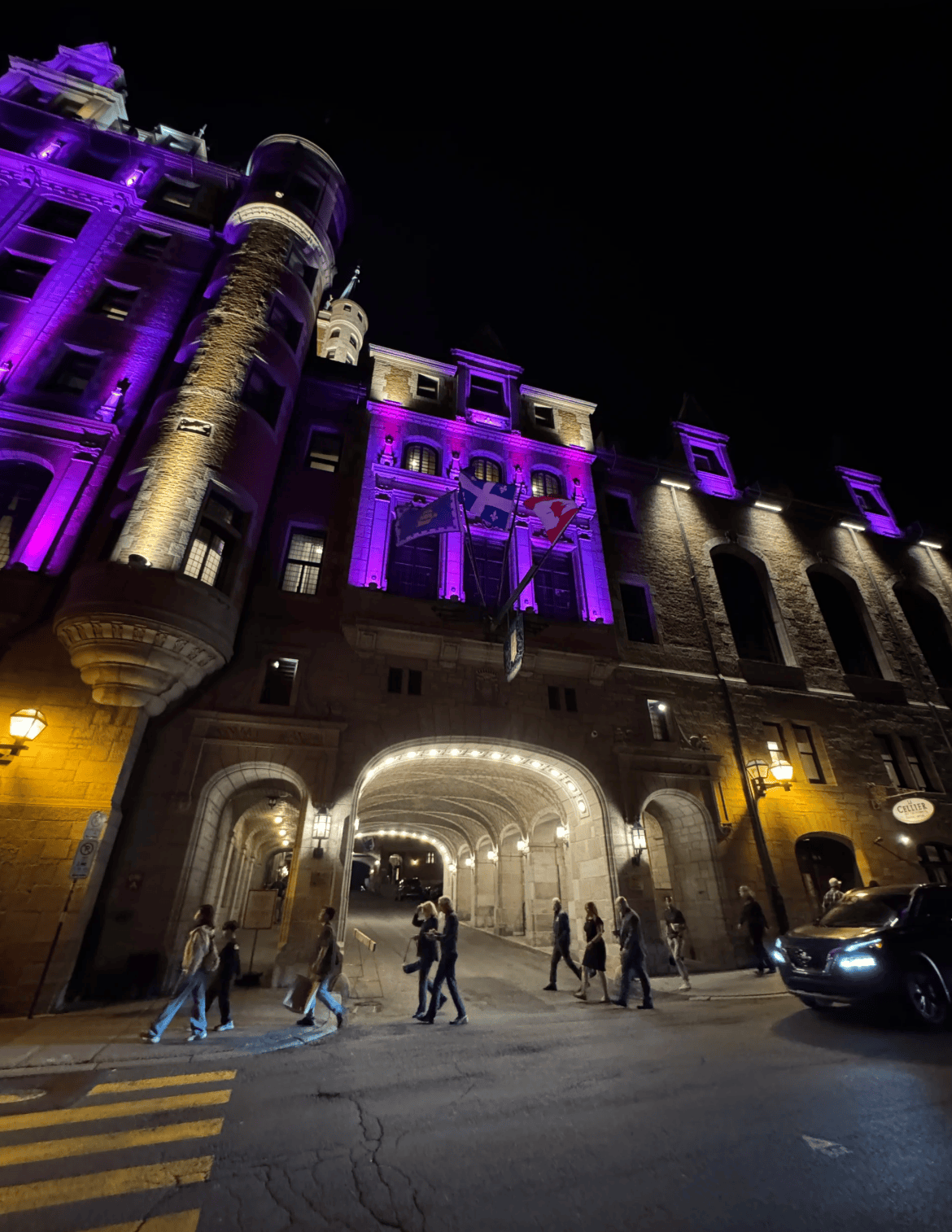
Château Frontenac dominates the skyline and puts you directly in Upper Town. Even if you don’t stay here, it’s worth going inside.
I loved having a glass of wine at Bar 1608 around sunset with the St. Lawrence River below.
I’d choose it for someone who wants history, location and the experience of staying inside one of the city’s landmarks.
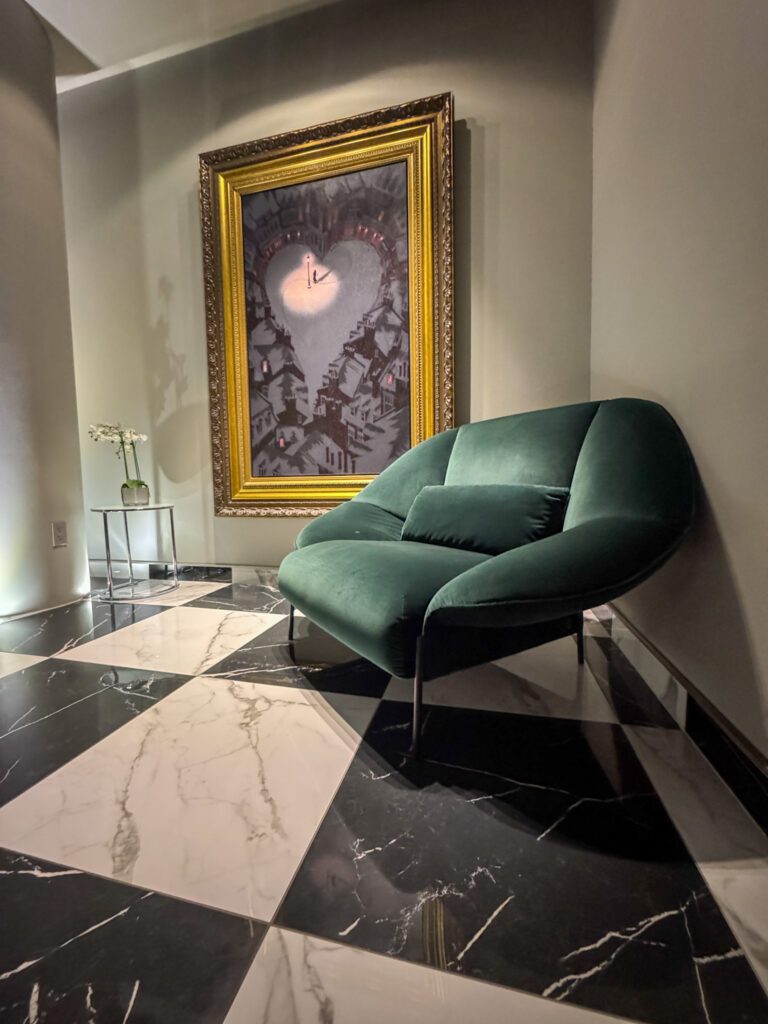
This is one of my favorite alternatives for someone who wants something more intimate.
It’s in Lower Town near the Old Port and Petit-Champlain, and I’d look here for someone who wants a boutique stay, excellent food and a quieter atmosphere than the activity surrounding Château Frontenac.
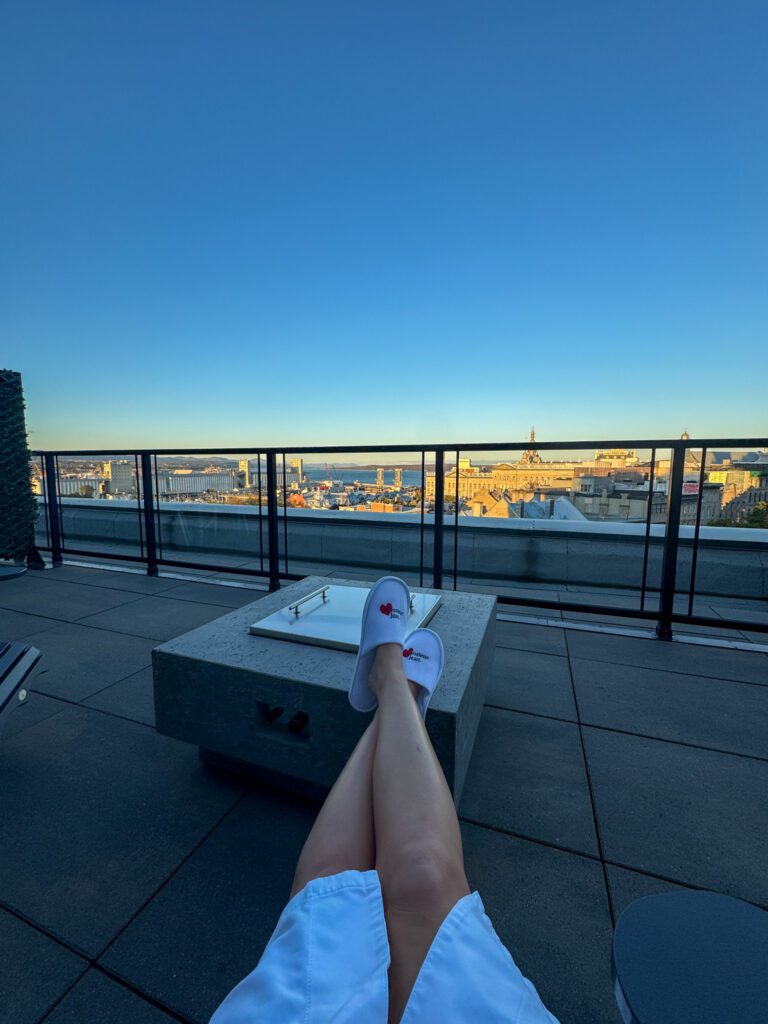
Another strong Old Port choice, especially for travelers who prefer contemporary boutique hotels over grand historic properties.
Monsieur Jean works particularly well for someone who wants personality and a central location rather than the traditional grand-hotel experience.
Another Lower Town option I like for travelers who want a boutique feel and easy access to the Old Port and St. Lawrence River.
Amanda’s Take: Upper Town or Lower Town?
If it’s your first trip and your vision is walking out the door into classic Old Québec, Upper Town is probably what you’re picturing.
If you’re drawn to Petit-Champlain, the waterfront, boutique hotels and quieter evenings, Lower Town may fit you better.
Neither is universally better.
That’s exactly why I want to know how you travel before I recommend the hotel.
What should you actually do in Québec City?
Here’s where I don’t want this to turn into another giant “27 Best Things to Do in Québec City” list.
For a first trip, these are the experiences I’d prioritize.
Start by walking Old Québec
Don’t schedule every minute of your first morning.
Walk Dufferin Terrace. Explore the streets around Château Frontenac. Wander down toward Place Royale and Petit-Champlain.
And take the street that looks interesting.
If you’re interested in history, I’d consider doing a guided walking tour early in the trip. You’ll understand much more of what you’re looking at for the rest of your stay.
Don’t accidentally turn Old Québec into a stair workout
This is one of those little planning decisions that can make a surprisingly big difference.
Because Upper and Lower Town are separated by a significant elevation change, group your sightseeing geographically instead of bouncing between the two all day.
Do Upper Town together.
Do Lower Town together.
And when your legs are done, use the funicular.
There is no prize for climbing one more hill on vacation.
Visit Château Frontenac even if you aren’t staying there
Walk through, take in the history and stop at Bar 1608.
I particularly like it around sunset, when you can have a glass of wine and look out over the St. Lawrence River.
Explore Petit-Champlain and Place Royale
Yes, Petit-Champlain is photogenic.
But don’t walk down the street, take the picture and leave.
Go early if you want quieter streets. Come back later for the shops and atmosphere. Give Lower Town some actual time.
Take the ferry for a view most first-time visitors miss
Here’s one I think is genuinely worth knowing.
The ferry between Québec City and Lévis takes you across the St. Lawrence, and you get an entirely different perspective of the Québec City skyline from the water.
The reason I’d do it isn’t because Lévis needs to become another major sightseeing stop.
It’s for the view looking back at Québec City.
Sometimes the best view of a city requires leaving it for 12 minutes.
Get outside Québec City for a day
Some of my favorite experiences from this trip weren’t inside the walls at all.
Île d’Orléans
I loved this.
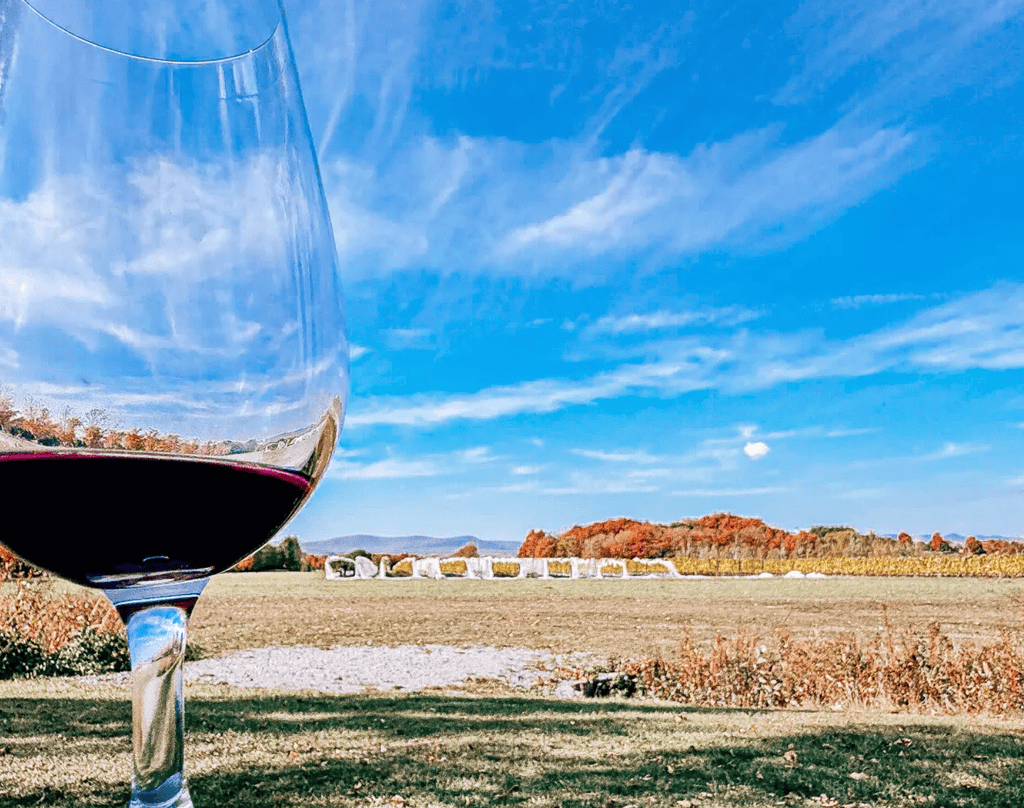
Île d’Orléans feels completely different from Québec City even though it’s close enough for an easy outing: farms, vineyards, cideries, local producers and views across the St. Lawrence.
I spent an afternoon stopping at farm stands, sampling fresh jams and sipping ice cider overlooking the river.
It was one of those experiences that made the trip feel connected to Québec rather than simply Old Québec.
Amanda’s Take
I would not rent a car for your entire Québec City stay just because you want one day on Île d’Orléans.
Stay somewhere walkable.
Enjoy the city without worrying about parking.
Then rent a car or arrange a private driver for the day you actually need it.
That’s a much better use of the car.
Montmorency Falls
Montmorency Falls is close enough to Québec City that it’s easy to add without sacrificing an entire day.
I went near sunset, and the light on the water was beautiful.
And here’s where actual itinerary planning matters: if you’re also visiting Île d’Orléans, I’d look at your timing before automatically treating them as two completely separate excursions.
They’re in the same general direction.
Depending on how deeply you want to explore the island, combining them can make logistical sense.
That’s the difference between choosing attractions and actually routing a trip.
One of the most unexpected places I visited
Le Monastère des Augustines
This was one of the most unique experiences of my trip.
It’s a historic monastery turned wellness property, and it’s a completely different experience from spending the day sightseeing.
If you enjoy wellness travel, yoga, spa treatments or simply having somewhere quiet to reset, put this on your radar.
It’s exactly the kind of place I don’t think you’d necessarily know to look for when planning your first Québec City trip.
Where to eat and drink in Québec City
First, my most important restaurant advice:
Make the reservation.
I wouldn’t arrive on a busy weekend with five restaurants saved to Instagram and assume you’ll decide where to eat at 7 p.m.
These are the places I’d keep on the list.
Restaurant Jacques
One of my personal favorites.
It’s tucked behind an unmarked door with a speakeasy feel, intimate atmosphere and beautifully presented food.
This is the kind of restaurant I’d choose for a date night or a dinner that you want to feel like part of the trip rather than simply somewhere to eat.
Reserve it.
La Bûche
Go here when you want Québécois comfort food without taking the experience too seriously.
It’s lively, fun and a good place to try local flavors rather than defaulting to another generic restaurant.
Savini Resto-Bar Vin
I like Savini for a more energetic evening along Grande Allée — especially when dinner is the beginning of the night rather than the end.
Buvette Scott
Small, cozy and neighborhood-feeling.
I’d send someone here when they tell me they want a restaurant that feels less like “we’re at a major tourist destination” and more like somewhere they’d be excited to discover at home.
L’Atelier Tartares & Cocktails
This is your dinner-with-energy option: cocktails, tartares and more of a night-out atmosphere.
Sapristi Bistro-Bar
Casual and easy for lunch or a relaxed dinner when you don’t need every meal to be an event.
Le Saint-Amour
This is the one I’d consider for a romantic or celebratory dinner.
Chez Muffy
Especially convenient if you’re staying at Auberge Saint-Antoine or elsewhere in Lower Town and want a refined dinner without turning the evening into another logistical exercise.
Café La Maison Smith
Not every recommendation needs a reservation.
I kept coming back here for coffee and pastries, and the Place Royale location is perfect when you want to stop moving for a while and just enjoy where you are.
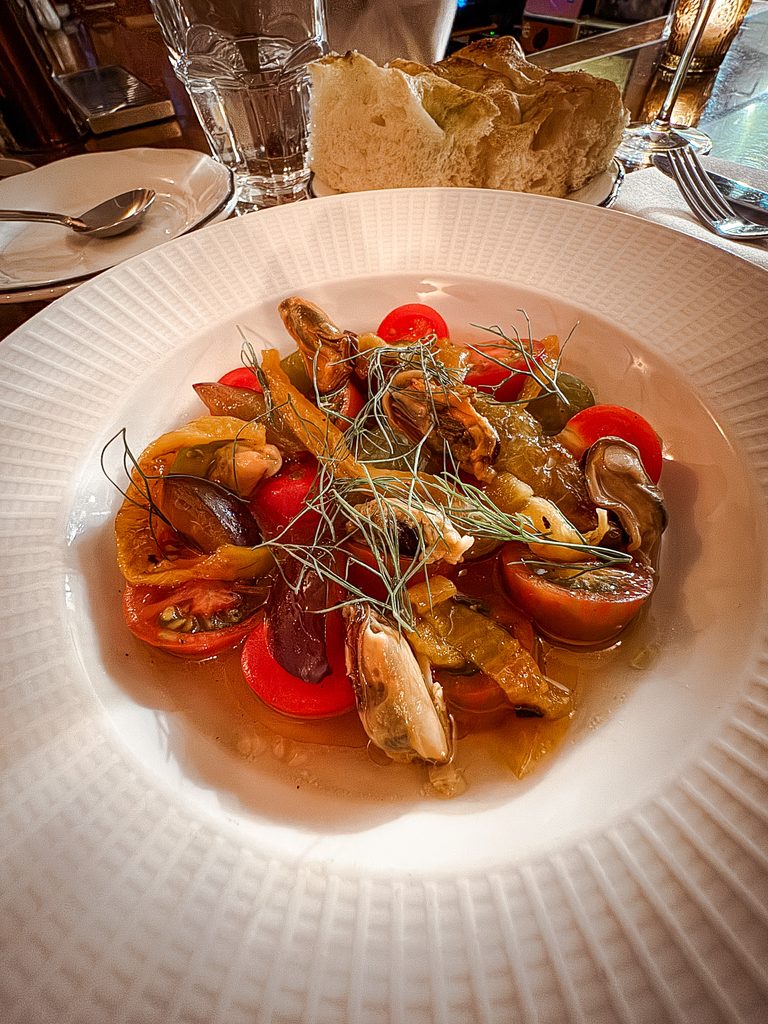
Don’t just eat poutine
Yes, try poutine.
But don’t let your Québec food checklist begin and end there.
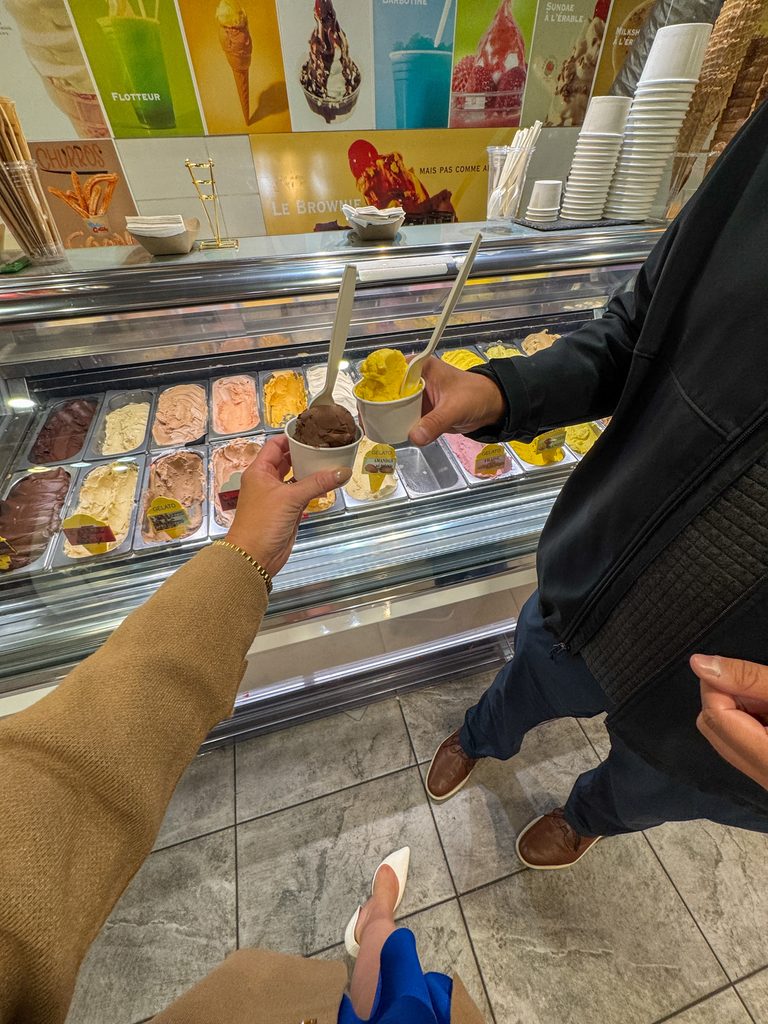
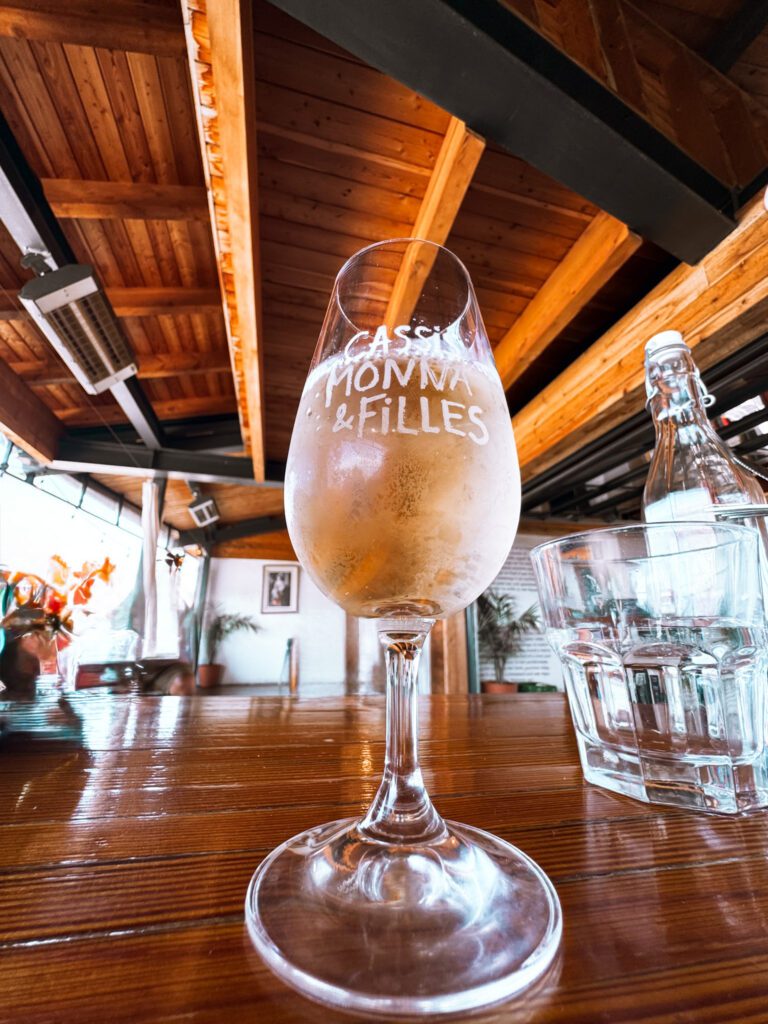
Look for tourtière, local cheeses, maple products, Québec cider and ice cider, local wine and seasonal products from Île d’Orléans.
Food here is part of understanding the destination.
If food is a major reason you’re visiting, I’d also consider doing a food tour toward the beginning of the trip rather than at the end.
When is the best time to visit Québec City?
This is one of those destinations where the season doesn’t just change the weather.
It changes the trip.
Warm weather, patios, festivals and long days make summer an easy choice for a first visit.
It’s also popular, so don’t interpret “easy season” as “wait until the last minute.”
This is my personal favorite.
You get cooler walking weather, fall color and an entirely different feel outside the city, especially if you’re heading toward Île d’Orléans, Montmorency Falls or the surrounding countryside.
This is the Québec City you see in Christmas photos: Old Québec decorated for the holidays, Petit-Champlain glowing with lights and the Christmas market underway.
It’s beautiful.
But understand what you’re choosing.
This isn’t “cute sweater weather.”
It’s winter.
Come because you want winter, not because you’re willing to tolerate it.
This is the season for Winter Carnival, the Ice Hotel and serious cold-weather experiences.
Proper clothing can be the difference between thinking Québec City is magical and spending the entire trip wondering why you voluntarily left the hotel.
Do you need a car in Québec City?
For a trip centered around Old Québec?
I wouldn’t rent one.
You’re going to walk much of the historic area anyway, and parking becomes one more thing to manage.
Where a car or private driver becomes useful is when you’re heading to Île d’Orléans, Charlevoix or other places outside the city center.
I’d rather arrange transportation around the experiences that actually require it than pay to park a rental car while you walk past it for three days.
Do you need to speak French?
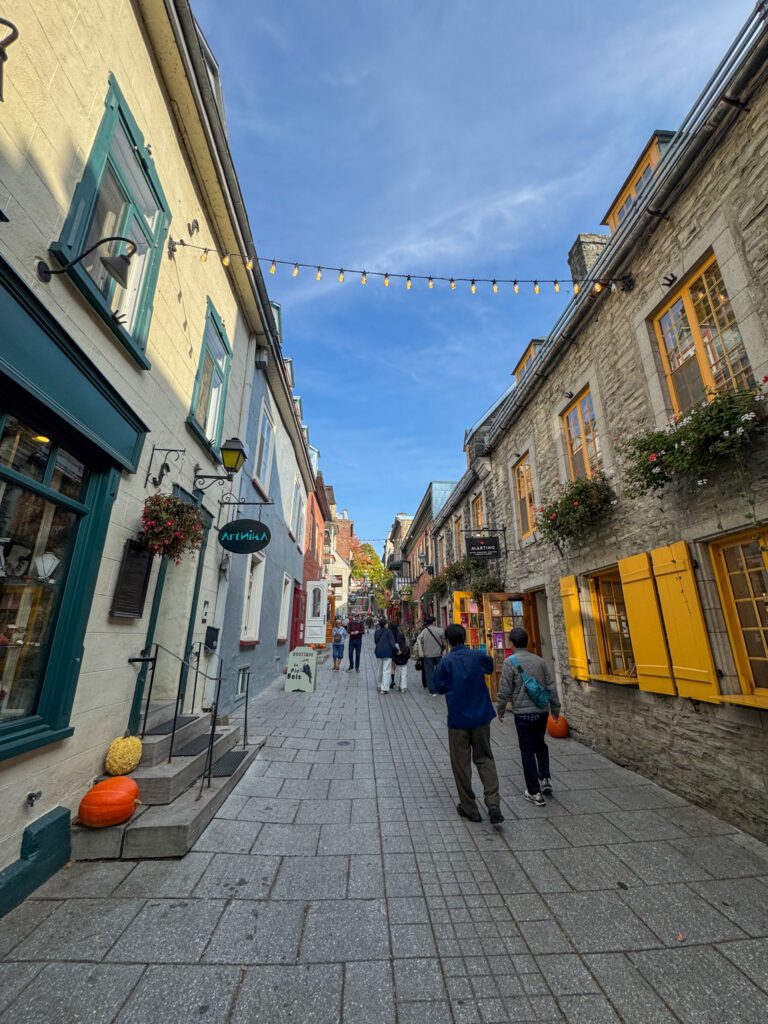
French is the primary language, but travelers can generally navigate the major tourism areas in English.
That said, use the French you know.
A simple bonjour and merci go a long way.
You’re visiting a French-speaking destination. That’s part of what makes Québec City Québec City.
What first-time visitors underestimate about Québec City
The hills. Walkable does not mean flat.
How much the season changes the trip. July and January are practically two different vacations.
How useful dinner reservations are. Don’t leave every meal decision until that afternoon.
How little you need a car in Old Québec. Arrange transportation when you actually need it.
How much exists outside the walls. Old Québec deserves your time, but so do Île d’Orléans, Montmorency Falls and the surrounding region.
How easy it is to over-plan. Walking, eating, drinking and looking around are legitimate itinerary items here.
My biggest Québec City planning advice
Don’t plan Québec City like a checklist.
Yes, see Château Frontenac.
Walk Petit-Champlain.
Go to Montmorency Falls.
But leave room for the parts you can’t neatly schedule: the café you stop at because it’s cold, the shop you weren’t looking for, the extra glass of wine because you have nowhere else to be, or the street you take simply because it looks interesting.
That’s what I remember most about Québec City.
I can give you a list of hotels. Google can give you a list of attractions. The part that actually requires planning is deciding which ones make sense for you.
Where should you stay?
How long do you need?
What deserves your limited time?
What needs to be booked ahead?
Where is spending more actually going to improve the trip?
And which things look perfect online but don’t make sense together once you’re actually there?
That’s where I come in.
Ready to plan your Québec City trip?
Whether you’re planning a romantic long weekend, a food-focused getaway, a winter escape or a longer trip through Québec, I’ll help you choose the right hotel, plan the logistics, add the experiences that are actually worth your time, and know where spending more will improve the trip — and where it won’t.



MEET YOUR TRAVEL CURATOR
About Amanda
I’m Amanda, founder of Elegant Escapes Travel. I plan travel worldwide, from honeymoons and destination weddings to cruises, European escapes and family vacations. I combine firsthand experience, trusted industry relationships and the details I learn from planning real trips to help you travel smarter.
feartured post
From the Classroom to the World
I didn't start my career in travel. I spent 12 years as a special education teacher.
Search


Journal
the
POPULAR RESULTS


BEST THE JOURNAL
of


follow along @elegant.escapes.travel
Or
@Elegant.escapes.weddings
Elsewhere
Your Next Escape Starts With Inspiration.
Come along for firsthand travel experiences, behind-the-scenes discoveries, honest hotel and cruise insights, and the little details that make a destination worth exploring. Consider it your invitation to see the world through the eyes of a travel professional.


+ Show / Hide Comments
Share to: