


I didn’t start my career in travel. I spent 12 years as a special education teacher.
For about a year, I was doing both jobs at once, teaching during the day and building a travel business on the side, before I finally left education and made travel my full time career. People sometimes hear that and expect a story about burnout, or a moment I hated my classroom and needed an escape. That’s not it. I left because I found something else I was good at, not because I was running from something I wasn’t.
The two careers aren’t as different as they look on paper
Here’s the thing nobody expects when I tell them my background: special education and travel planning use almost the exact same muscles.
Teaching kids with a wide range of needs means you learn to listen closely instead of assuming you already know the answer. You learn to communicate differently with different people, because what works for one kid completely misses another. You learn to anticipate problems before they happen, advocate hard for someone who can’t always advocate for themselves, and manage a genuinely overwhelming number of details at once without dropping any of them.
Turns out, that’s also exactly what it takes to plan a good trip.
“A vacation isn’t successful because I found someone a pretty hotel. It’s successful because I understood who was actually traveling.”
That individualized approach, the same one I used in a classroom, is still the core of how I run my business today.
Where the business is now
I built Elegant Escapes Travel while I was still teaching, in the evenings and on weekends, long before it was my main job. In my first two years as a full time advisor, I booked more than $1 million in travel for clients around the world. I’m now a Fora X advisor and rank in the top 3% of Fora’s network of more than 10,000 travel advisors.
I don’t bring those numbers up to brag. I bring them up because they’re proof this isn’t a hobby, or something I do casually for friends between other work. I plan travel professionally, every day, and I take it exactly that seriously.
My own travel background
Travel was part of my life long before it became my career.
I didn’t become a travel agent and then decide I needed to start traveling so I could sell it. I was already someone who wanted to see the world, experience places for myself, and understand what life looked like outside of what I knew at home.
I lived in Ireland, which gave me a completely different perspective than simply visiting another country for a week. Living abroad meant figuring out everyday life somewhere unfamiliar: transportation, neighborhoods, cultural differences, logistics, and all the little things you never think about until you’re actually trying to function somewhere that isn’t home. That experience made me more comfortable traveling internationally, but it also taught me something I still think about when planning for clients: visiting a destination and understanding a destination are two different things.
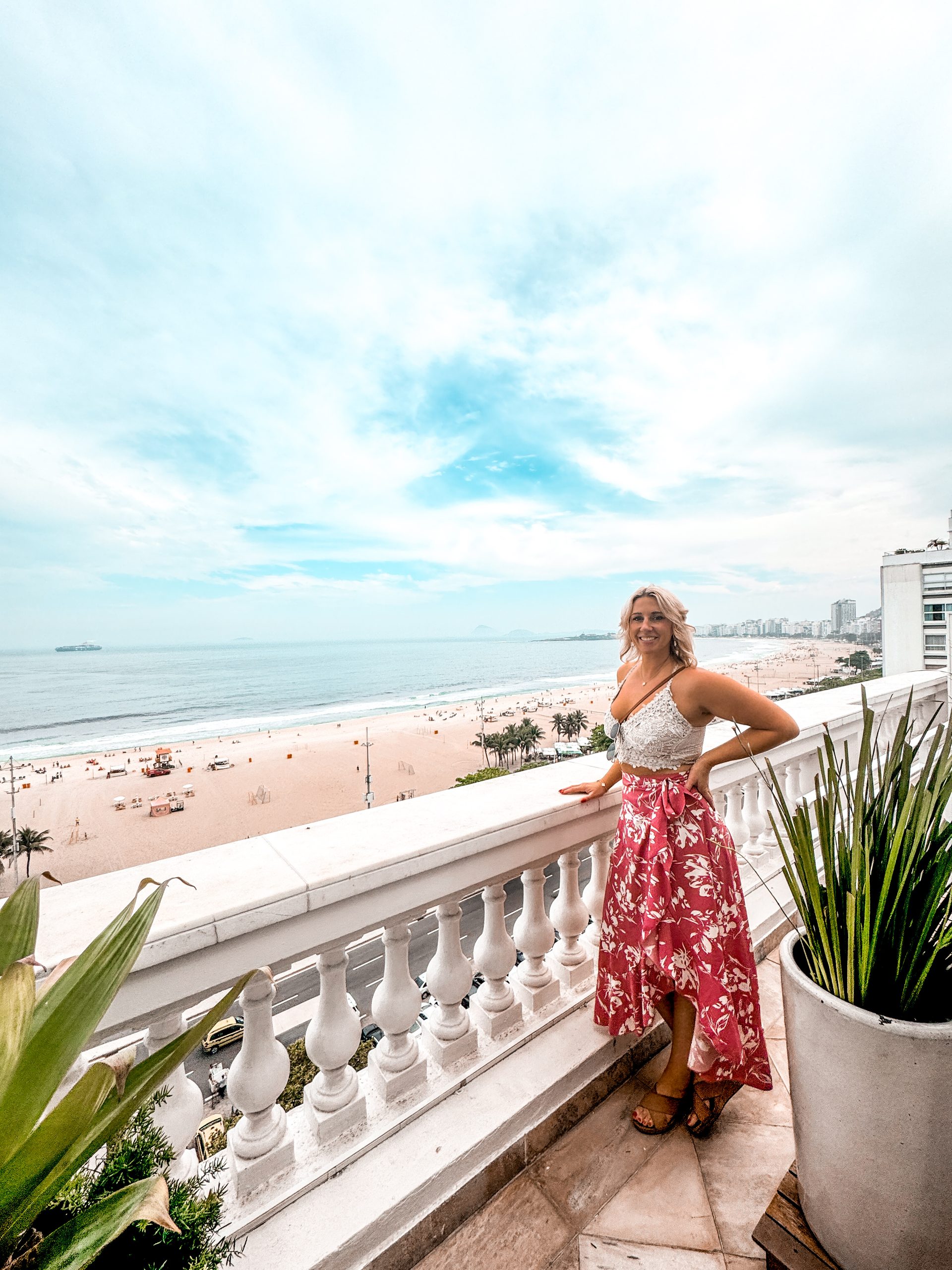
I’ve traveled extensively throughout Caribbean and the United States but my travels have also taken me well beyond close to home locations. I’ve traveled through South America, and I fell completely in love with Brazil. It’s still one of those places that stayed with me. It wasn’t about checking another country off a list or seeing the major attractions. I loved the place itself, the culture, the energy, the experience of being somewhere that felt completely different from home.
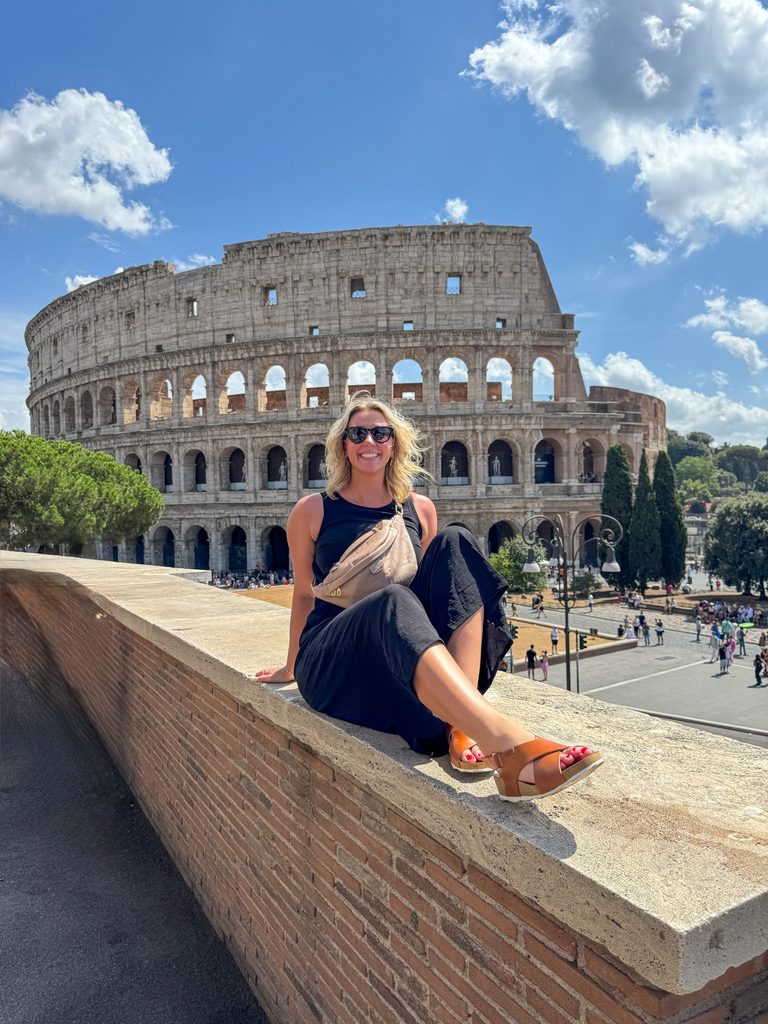
I’ve also traveled throughout Europe, including Italy, Greece, and Turkey, and more recently Africa.
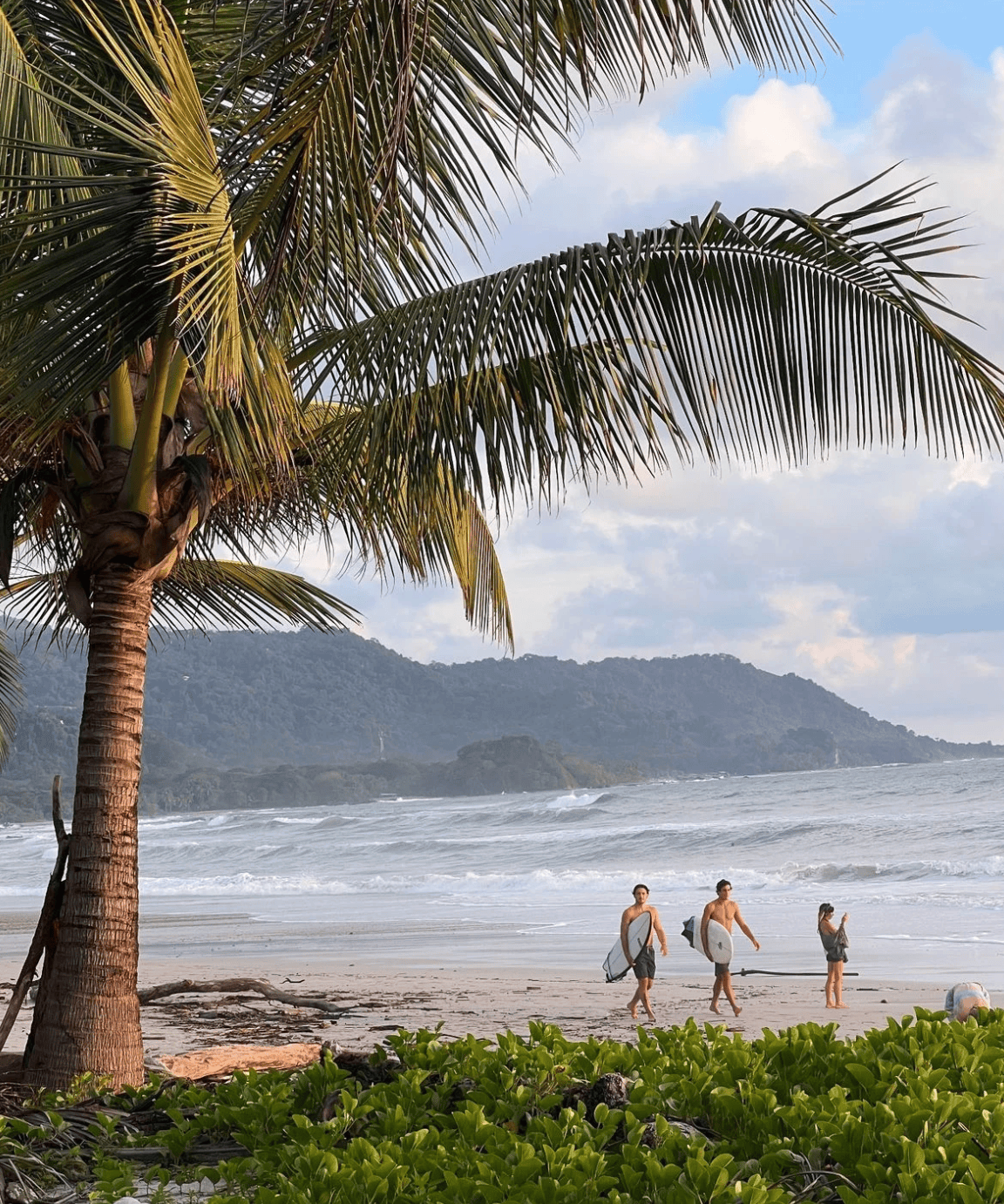
My travel experience isn’t limited to one style of trip, either. I’ve lived abroad. I’ve traveled independently. I’ve taken multi-country European trips. I’ve stayed at all-inclusive resorts and traditional hotels. I’ve cruised. I’ve done private touring. I’ve gone on safari. That range matters to me, because there isn’t one universally “best” way to travel.
Why I still travel constantly, myself
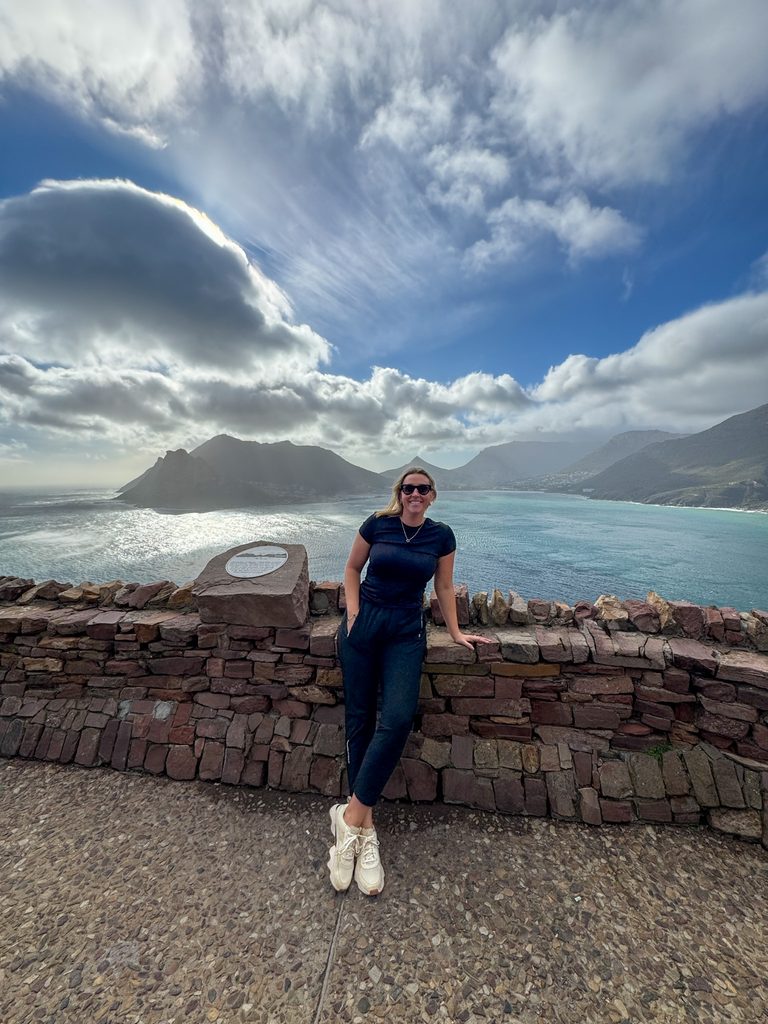
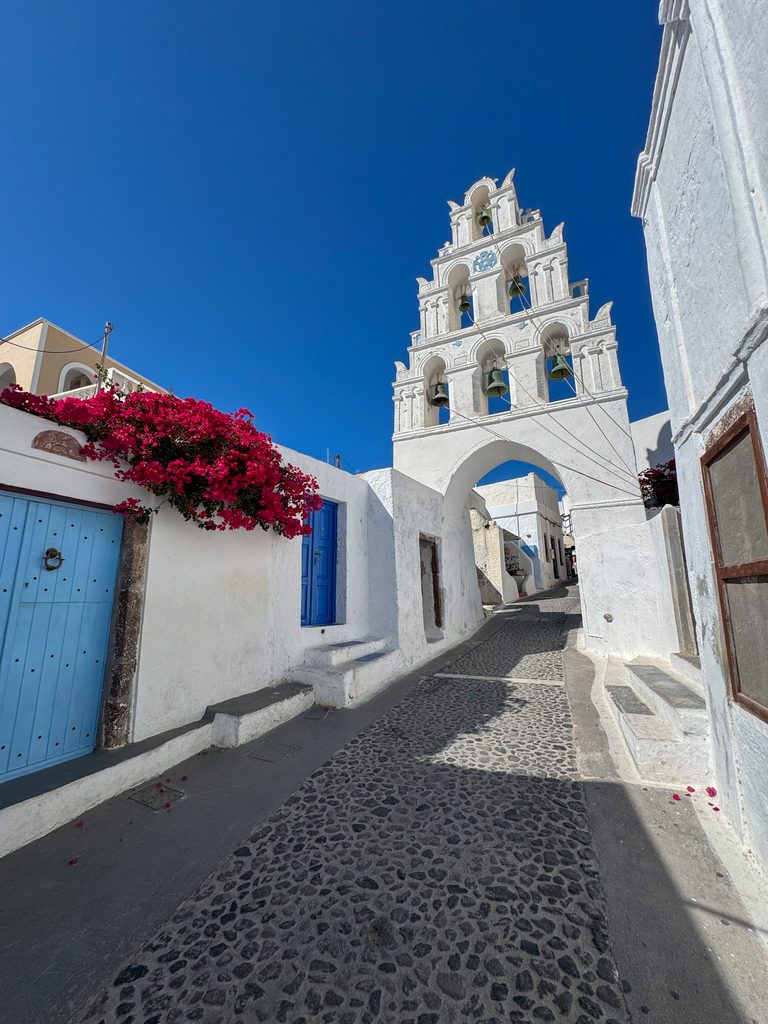
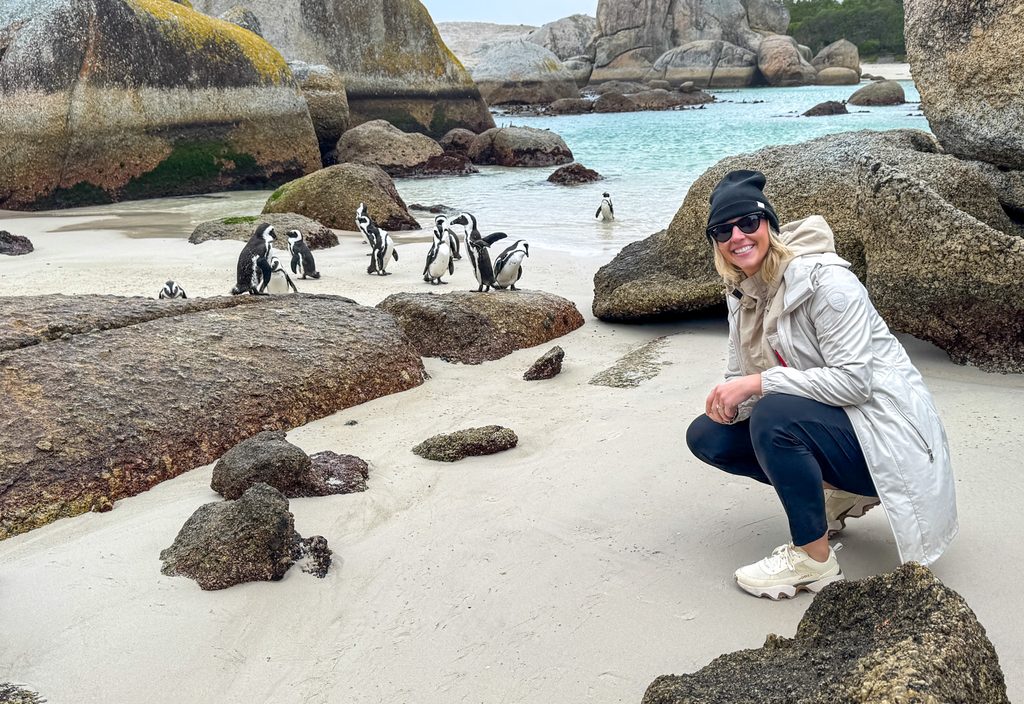
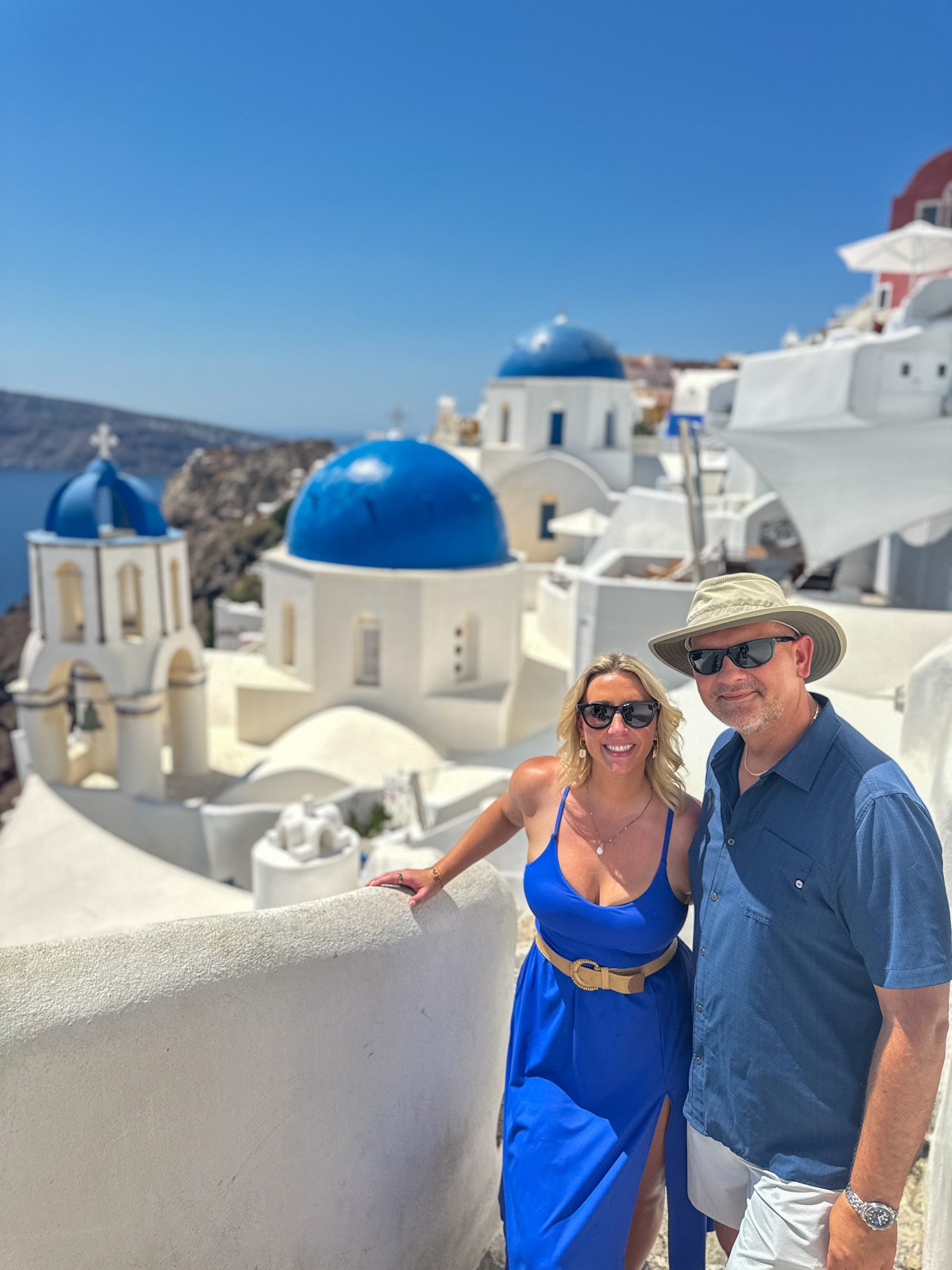
I recently traveled to South Africa specifically as part of a site visit, including Cape Town, the Winelands, and safari at Sanbona. Of everywhere I’ve been, Africa is the trip that meant the most to me. It’s not a place you can fully understand from a supplier presentation or a highlight reel, and being there changed how I talk about it with clients now, not as a bucket list destination, but as somewhere that actually gets under your skin. I’ve also recently traveled through Rome, Santorini, Kusadasi, Mykonos, and Naples while sailing Royal Caribbean in the Mediterranean.
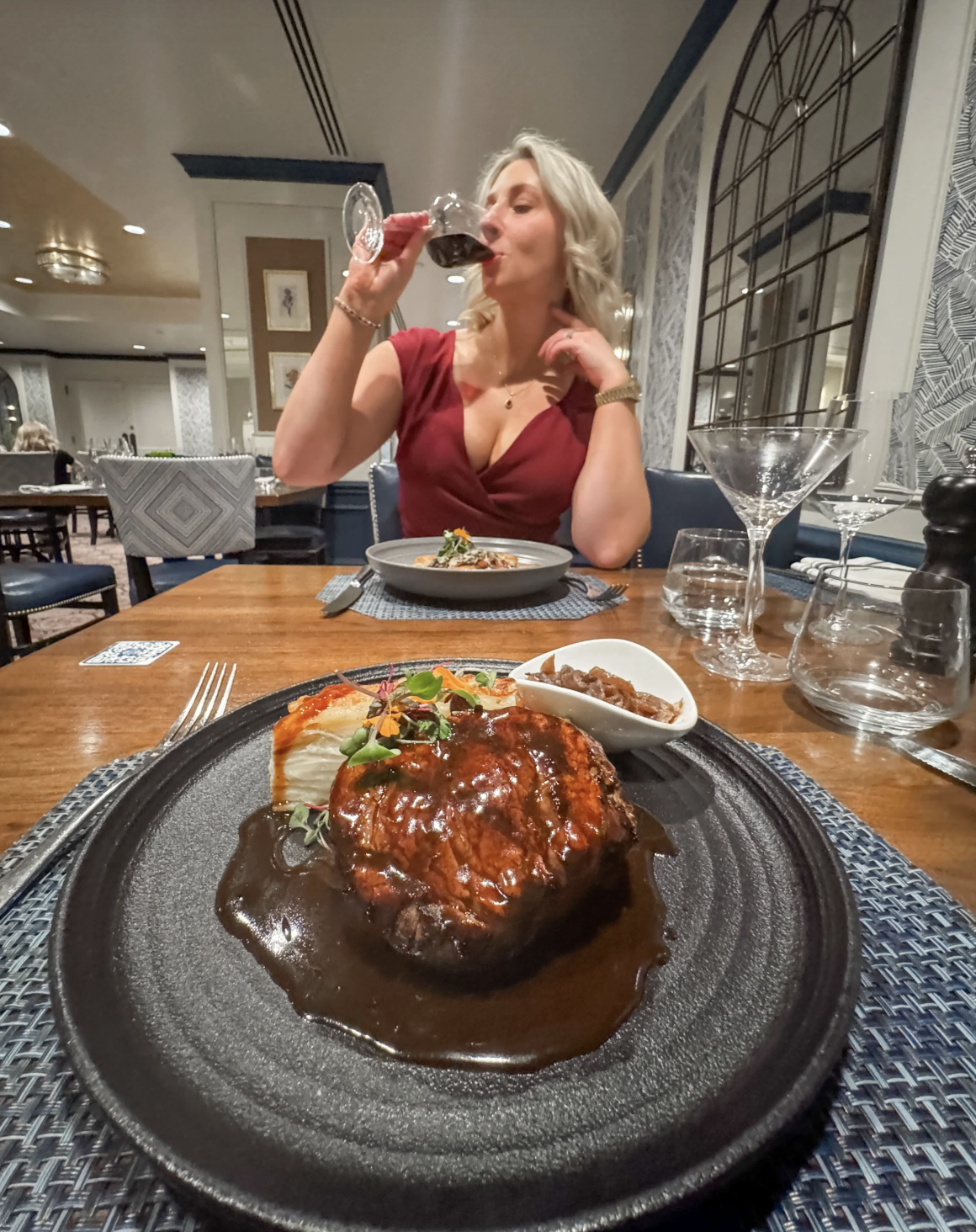
I cruise personally because you need to understand the actual onboard experience to recommend one cruise line over another. A cruise isn’t simply a ship plus an itinerary. The cabin category, dining, service, entertainment, crowds, ship layout, passenger mix, and overall atmosphere can completely change the experience. The same is true of hotels and destinations.
I can research a property from my desk. I can look at photographs, maps, room categories, and reviews. But there are things I simply cannot know until I’m standing there.
What does the neighborhood actually feel like? Is the hotel location convenient, or does it only look convenient on a map? How far is that room category from the beach or main pool? Does the resort feel enormous once you’re actually walking around it? Is the upgraded room worth hundreds of dollars more? Does the ship feel crowded even though it looked perfect on paper? Is that transfer technically only 90 minutes but miserable after an overnight flight? Is an itinerary that looks exciting on a screen actually exhausting by day four?
Those are the things I notice when I travel now. And, for better or worse, I can’t really turn that part of my brain off anymore.
“I’ll be on my own vacation and find myself noticing which room location I would request for a client, which excursion I wouldn’t recommend, which neighborhood I would choose next time.”
I use travel as research, not a scoreboard
Not because I need to collect passport stamps or prove how many countries I’ve visited. The country count isn’t particularly interesting to me. What matters is what I learn by being there.
I pay attention to how long things actually take, how tiring certain itineraries feel, whether destinations pair together naturally, where people should spend more time, and where they probably don’t need to. I notice what photographs don’t show. I notice the difference between a room description and the actual room. I notice when paying more makes a meaningful difference and when it absolutely doesn’t. I notice the little logistical decisions that make the difference between a trip that feels seamless and one that feels like work.
And I notice when I’m wrong. That’s important too.
Sometimes I arrive somewhere with one expectation and leave with a completely different opinion. A property I thought I’d love might disappoint me. A destination I wasn’t expecting much from might become one of my favorites. Something that looked simple while planning can turn out to be far more complicated in reality. Brazil was one of those places that surprised me by how much I loved it, even if Africa is still the trip that means the most to me overall.
That’s one of the reasons I never want to stop traveling myself. Travel changes constantly, but it also keeps challenging my own assumptions. I don’t want to become someone who recommends destinations entirely from hotel fact sheets, supplier presentations, Google searches, and other people’s Instagram accounts. I want to know what it feels like to actually be the traveler.
I also build relationships while I travel, with hotels, cruise lines, tour operators, destination management companies, and local partners. Meeting the people who actually take care of travelers gives me another layer of knowledge I can’t get from a booking platform. Those relationships matter when I’m advocating for a client, requesting something special, trying to solve a problem, or looking for an experience someone wouldn’t necessarily find by searching online. There’s a difference between knowing that a hotel exists and knowing who to call there. There’s also a difference between researching travel and experiencing it. I think both matter.
That’s ultimately why I still travel constantly myself, even though travel is now my job. I can research a destination from my desk. I can attend trainings. I can talk to suppliers. I can read reviews and study maps. But I can’t learn what it feels like to travel somewhere without actually going. And if I’m going to recommend where someone spends their limited vacation time, their honeymoon, their anniversary, or thousands of dollars they’ve saved for a family trip, I think that distinction matters.
What my own travel has taught me about planning
Travel rarely goes exactly according to plan. Flights change. Strikes happen. Transfers go sideways. A hotel room looks nothing like its photos. A beautiful property turns out to be in an inconvenient location. An itinerary that looks completely reasonable on Google Maps turns out to be exhausting once you’re actually doing it, day after day, with luggage.
That’s changed how I plan for other people.
I think about routing and travel time, not just a checklist of places to squeeze in. I pay attention to how many times someone will have to pack and unpack, and I generally want clients staying at least two nights somewhere before moving on, unless there’s a real reason not to. I pay attention to arrival times, transfer logistics, weekend airfare pricing, accessibility needs, crowds, heat, and the kind of disruptions that never show up in a destination’s highlight reel.
Sometimes the best thing I can tell a client is not to do something. I don’t see my job as agreeing with every idea someone brings me. If a route doesn’t make sense, if a hotel isn’t worth what it costs, if a room upgrade isn’t actually worth the money, or if someone’s trying to cram too much into too little time, I’ll say so. That’s not me being difficult. That’s the actual job.
How I plan for clients, specifically
I listen before I recommend anything.
Two people can hand me the exact same destination and the exact same budget, and I’ll plan two completely different trips. A honeymoon shouldn’t be planned like an anniversary trip. A family with teenagers needs something different than parents traveling with toddlers. Someone who wants to wake up and explore all morning needs a different resort than someone whose entire goal is a pool chair and a drink they don’t have to think about.
I’m not chasing the universally “best” hotel or resort or cruise line. There isn’t one. I’m chasing the right one for the person actually going.
I also don’t believe expensive automatically means better. No matter someone’s budget, their trip matters, and part of my job is knowing exactly where spending more genuinely improves the experience, and where it just inflates the bill. I’d rather tell a client to save money in one place so they can spend it somewhere that will actually change how the trip feels.
Why I think a real travel advisor still matters
There’s more travel information available right now than at any point before, and somehow that hasn’t made planning easier. Anyone can Google “best hotels in Paris” or scroll TikTok for resort recommendations. The hard part was never finding information. It’s figuring out which piece of it actually applies to you.
Online reviews don’t solve this either. One person gives a hotel one star because they hated the breakfast. Another gives the exact same property five stars because they loved the rooftop pool. Neither review tells me whether that hotel is right for my client, because neither reviewer was my client.
I rely on a mix of firsthand experience, professional research, supplier relationships, industry resources, and what I’ve learned sending real clients to real places and hearing how it actually went. And when something goes wrong mid-trip, and eventually something always does, there’s an actual person advocating for you, not a confirmation number sitting in a customer service queue.
What I actually want you to take from this
I don’t want the takeaway here to be that I love traveling. Plenty of people love traveling. That’s not a qualification.
What I want you to understand is that I take your trip personally, and professionally. I built a career around listening, advocating, anticipating problems, and managing details, first for twelve years in a classroom, now for travelers headed all over the world. I want you to feel like someone genuinely knowledgeable is in your corner from the first conversation until you’re home again.
Working with me isn’t about handing over control of your vacation. It’s about having someone who knows what to ask, what to check, where the problems tend to hide, what’s actually worth paying for, and when to tell you the thing you didn’t want to hear.
No matter your budget, your trip matters. Maybe it’s your honeymoon. Your first trip to Europe. Your parents’ anniversary. The first vacation you’ve taken with your kids in years. A destination wedding with 40 people counting on you to get it right. Or just the one week you’ve been saving for all year.
“You can absolutely book travel yourself. My value isn’t access to a website you don’t have. It’s knowing what you don’t know to look for.”
Ready to plan a trip with someone who’s actually done the research, in person?
Leave a Reply



MEET YOUR TRAVEL CURATOR
About Amanda
I’m Amanda, founder of Elegant Escapes Travel. I plan travel worldwide, from honeymoons and destination weddings to cruises, European escapes and family vacations. I combine firsthand experience, trusted industry relationships and the details I learn from planning real trips to help you travel smarter.
feartured post
From the Classroom to the World
I didn't start my career in travel. I spent 12 years as a special education teacher.
Search


Journal
the
POPULAR RESULTS


BEST THE JOURNAL
of


Hi, this is a comment.
To get started with moderating, editing, and deleting comments, please visit the Comments screen in the dashboard.
Commenter avatars come from Gravatar.