


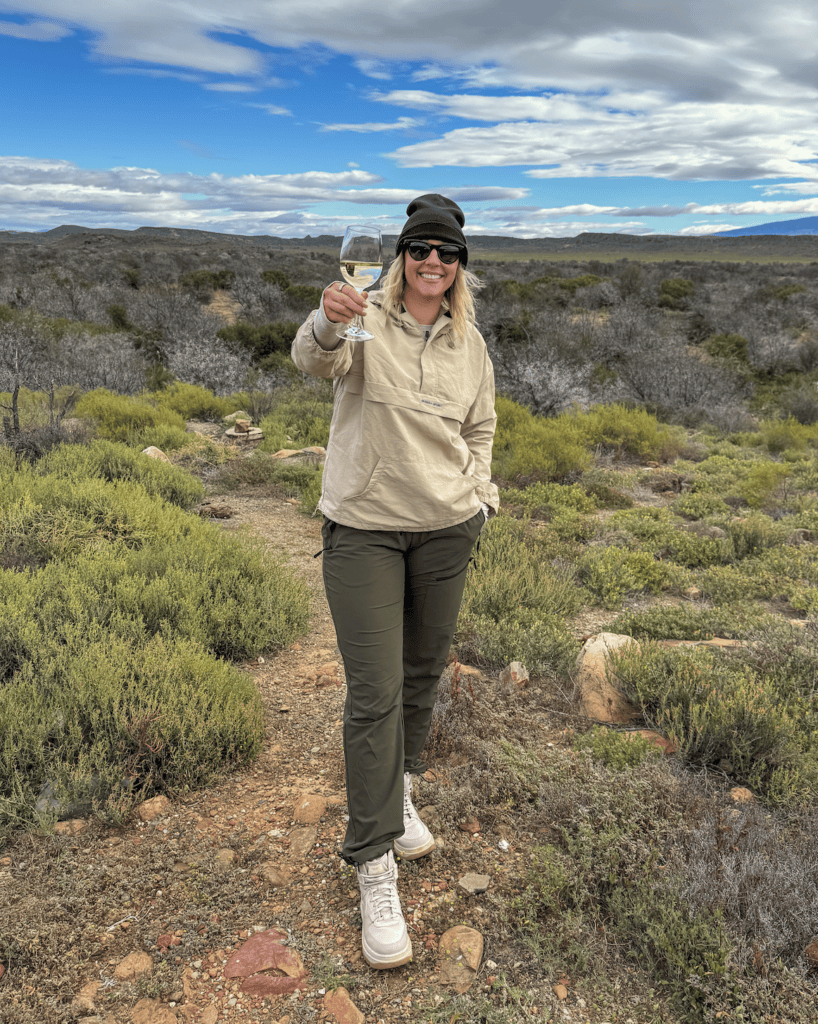
When someone tells me, “I want to go on an African safari,” my first thought is usually:
Great.
Now we need to narrow that down.
Because saying you want to go on safari is a little like saying you want to go to Europe. It’s a starting point, not an itinerary.
Do you want to see the Great Migration in Tanzania or Kenya? Pair wildlife viewing with a beach stay? Take your kids on their first safari? Trek to see mountain gorillas in Rwanda? Combine safari with Cape Town? Stay somewhere intimate enough for a honeymoon?
Those are very different trips.
And that’s before we get into when you’re traveling, how long you have, how active you want to be, what wildlife you’re hoping to see and how much moving around you’re willing to do.
There isn’t one “best” African safari. There’s the safari that makes the most sense for you.
The Elegant Escapes Difference
Book with Elegant Escapes Travel to access exclusive perks and experiences on your trip.
That’s why I don’t think your first question should be, “What’s the best safari in Africa?”
Start with this instead:
What do you want this trip to feel like?
What Does Going on an African Safari Actually Mean?
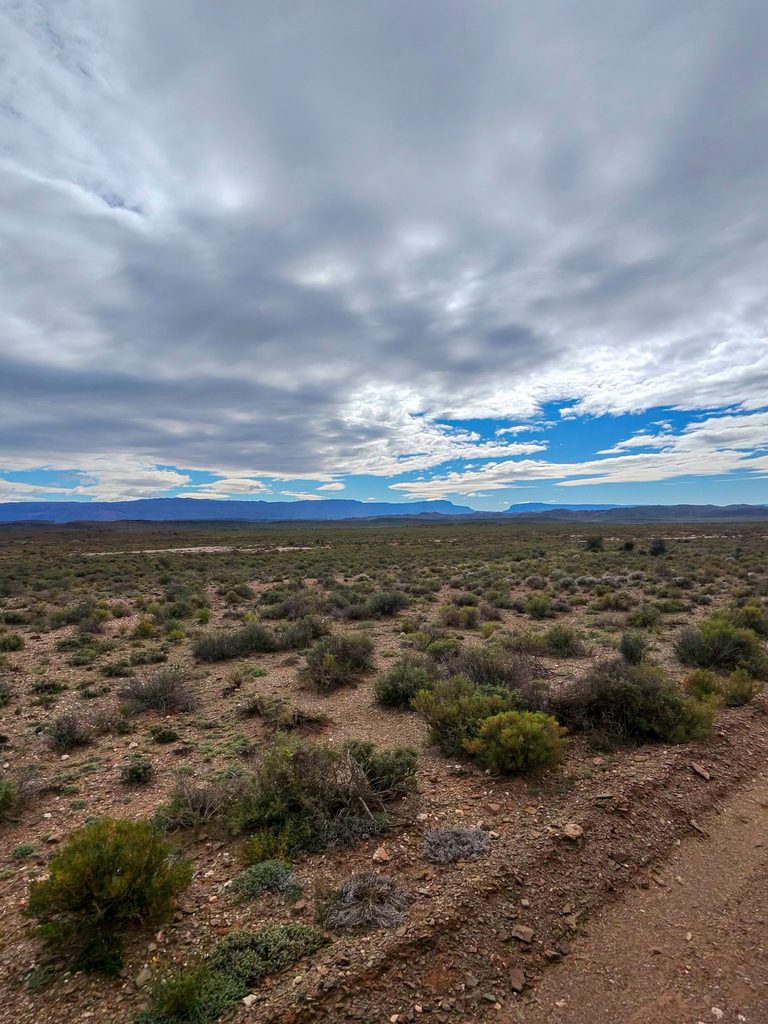
Safari isn’t one standardized vacation you can copy and paste from one traveler to another.
Even within the same country, two safari trips can look completely different.
You might stay in a larger lodge or a small tented camp. Spend most of your time on game drives or incorporate walking and other experiences. Visit one wildlife area or combine several. Fly between camps or travel overland. Add a city, beach or completely different wildlife experience before heading home.
That’s why I wouldn’t choose a safari based solely on which destination appears most often when you Google “best African safari.”
First, we need to figure out what you’re actually hoping to experience.
Amanda’s Take
If all you know right now is “I want to go on safari,” that’s enough.
You don’t need to figure out the country, park, lodge and exact route before contacting a travel agent.
That’s part of the planning.
7 Questions I Ask Before Recommending an African Safari
1. Who Is Traveling?
A honeymoon couple and a family traveling with an eight-year-old shouldn’t automatically receive the same recommendation.
Neither should a multigenerational family and two active adults who would happily spend several hours trekking through a forest.
Age matters.
Mobility matters.
Attention span matters.
And for families, specific ages can affect which safari activities are even available.
For example, SANParks currently states that children under 6 aren’t permitted on its guided game drives in Kruger National Park, while its guided walks have a minimum age of 12. Individual private lodges and reserves may have their own rules.
That’s why “family-friendly safari” needs to mean more than finding a lodge with a family room.
2. What Do You Actually Want to See?
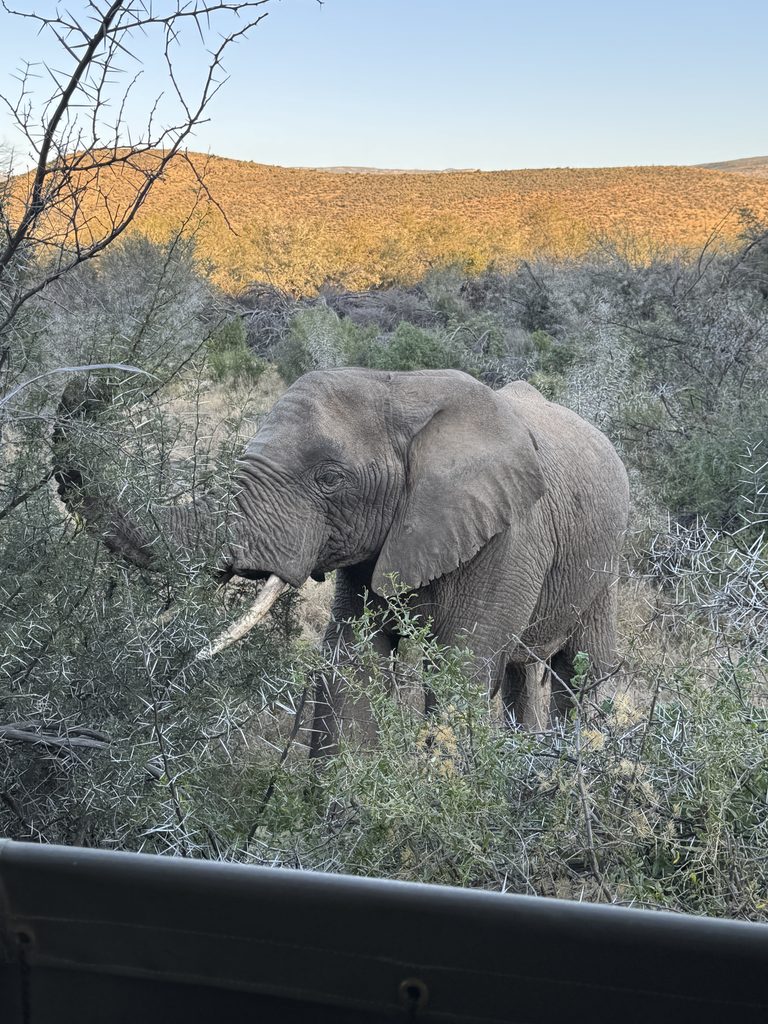
This is where “I want to see animals” needs another layer.
Maybe elephants and big cats are at the top of your list.
Maybe you’ve dreamed about the Great Migration.
Maybe gorilla trekking is the entire reason you’re finally taking this trip.
Maybe you’d rather have consistently strong wildlife viewing than build the whole itinerary around one famous wildlife event.
Those priorities can point us toward different destinations, parks and seasons.
And wildlife is, well, wild.
No ethical safari itinerary should promise that a particular animal will appear on command. The goal is to choose the place, season and experience that give you the right kind of opportunity, not pretend nature accepts reservations.
Wildlife doesn’t care what you put on your itinerary. That’s part of what makes safari so incredible.
3. When Are You Traveling?
Timing matters enormously on safari, but I don’t love reducing an entire country to one universal “best month.”
Different seasons change landscapes, wildlife patterns, demand, weather and sometimes pricing.
For example, Tanzania’s Serengeti is open year-round. The famous migration itself also moves through the broader Serengeti-Mara-Ngorongoro ecosystem rather than appearing in one exact spot all year.
Kruger has a different pattern. South African National Parks describes April through September as its dry season, when vegetation becomes sparse and wildlife viewing is traditionally strongest around rivers and waterholes. October through March is wetter and greener, and thicker foliage can make animals more difficult to spot.
This is why I wouldn’t tell you, “August is the best month for an African safari,” without knowing where in Africa we’re talking about.
4. How Active Do You Want to Be?
Some travelers want the classic safari experience:
Get in the vehicle. Hand me the binoculars. Let’s find the animals.
Others want more.
Walking safaris. Hiking. Gorilla trekking. Longer days outdoors. Experiences that require a little more physical effort.
Neither is better.
But they’re absolutely not interchangeable.
Gorilla trekking in Rwanda, for example, isn’t a game drive. Visit Rwanda advises travelers to expect a hike whose length and terrain depend on where the assigned gorilla group is located, and recommends sturdy footwear, waterproof clothing and protective clothing for the vegetation.
If your dream vacation does not involve trekking through a forest, I’d like to know that before I build an itinerary around trekking through a forest.
Fair?
5. How Long Do You Have?
This is one trip where I generally don’t want to see you trying to collect countries like Pokémon.
You traveled a long way to get here.
Give yourself time to actually be here.
Changing camps every night or two can sound exciting on paper and become exhausting very quickly in real life.
Even SANParks advises Kruger visitors not to cover too much ground, noting that slower travel and regular stops can produce better wildlife viewing than racing across large distances.
I’d rather choose the right combination of places than squeeze six locations into an itinerary just because we technically can.
More stops do not automatically make a better safari.
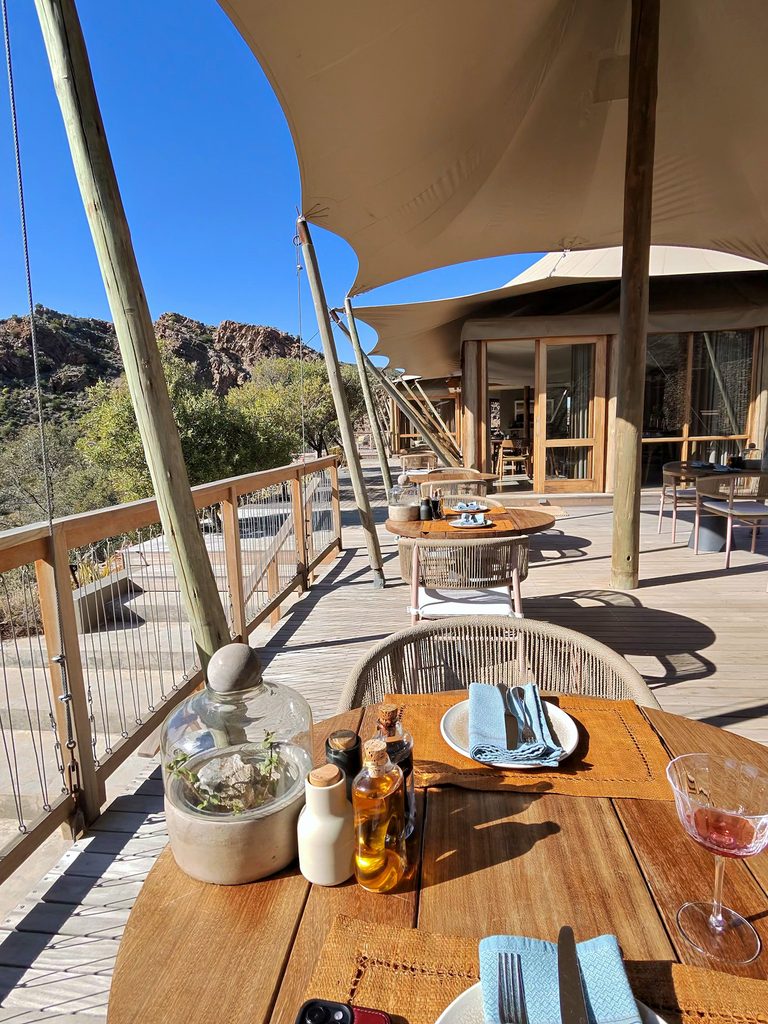
6. What Do You Want to Pair With Safari?
This is one of my favorite parts of planning Africa because safari doesn’t have to be the entire trip.
Depending on where you’re going, we can build around a completely different second experience.
Safari + beach.
Safari + city.
Safari + wine country.
Safari + gorilla trekking.
Safari + another wildlife region.
That contrast can be what makes the trip.
After several early mornings and long game drives, spending a few days doing almost nothing beside the Indian Ocean can feel pretty fantastic.
And for someone who knows they’ll get restless after four days on safari?
Great. We don’t have to pretend you’re suddenly going to become a person who wants ten consecutive days of game drives.
7. Where Do You Want to Spend More?
Safari pricing isn’t simply a question of “cheap versus expensive.”
Where you stay matters.
So does location.
Transportation between regions.
Private versus shared experiences.
Season.
Length of stay.
Guide arrangements.
Park and conservation fees.
And the number of destinations you’re trying to combine.
Sometimes the place worth spending more is the lodge.
Sometimes it’s the location that saves you hours of unnecessary transit.
Sometimes it’s the private experience.
Sometimes I’d rather protect the experience you care about and save somewhere you don’t.
Expensive isn’t automatically better. Cheap isn’t automatically good value.
That’s especially true for a trip this logistically complex.
Which African Safari Is Right for You?
There is a reason this combination gets honeymoon attention.
Start with the adventure.
Then stop doing things.
A Tanzania safari can give you the wide-open landscapes and wildlife experience you’ve probably been picturing when you hear the word safari, while Zanzibar creates a completely different second half of the trip.
Safari first.
Beach second.
That pacing makes a lot of sense for honeymooners who want the trip to feel adventurous and like an actual honeymoon.
Who I’d consider it for
Couples who want wildlife, beautiful accommodations and a real sense of adventure but don’t want their entire honeymoon to consist of game drives.
When should you go?
This needs to be planned around what you want to experience, not simply a blanket “June through October” rule.
The Serengeti operates year-round, while wildlife movements and seasonal conditions change throughout the year.
If seeing a particular stage of the Great Migration matters to you, that’s something I’d factor into the itinerary from the beginning.
How much time should you allow?
For a safari-and-beach honeymoon, I’d generally start the conversation around 10 to 14 days, depending on your international flights, how many safari areas you’re including and how much beach time you want.
The goal isn’t to spend your honeymoon packing, unpacking and getting back on another plane every 36 hours.
Amanda’s Take
If you tell me you want adventure but also want several days where your biggest decision is pool or beach, this is the kind of combination I’m looking at.
South Africa can make a lot of sense for families because the trip can become much bigger than safari alone.
You can build wildlife viewing into a broader South Africa itinerary rather than expecting every member of the family to stay excited about game drives for the entire vacation.
A few days focused on wildlife followed by time in Cape Town creates a very different rhythm.
And Cape Town gives you plenty to work with beyond safari.
But here’s where family safari planning gets specific
Tell me exactly how old the kids are.
Not “two children.”
Ages.
Certain activities have minimum-age requirements, and rules aren’t identical everywhere.
As noted above, SANParks’ guided Kruger game drives currently have a minimum age of 6, while guided walks have a minimum age of 12.
The right lodge and safari format matter just as much as the destination.
When should you go?
Kruger’s dry season runs roughly April through September according to SANParks, with sparse vegetation and animals concentrating around water sources making winter traditionally strong for wildlife viewing. The rainy season brings a greener landscape but thicker vegetation.
That doesn’t mean every family should automatically travel in July.
School schedules, the rest of your South Africa itinerary, availability and your priorities all matter.
How much time should you allow?
For safari plus Cape Town, I’d generally want around 10 to 12 days to work with rather than moving the entire family every other day.
The best family safari isn’t the one with the most impressive lodge. It’s the one your actual family will enjoy.
This is where we’re talking about a very different kind of wildlife experience.
In Rwanda’s Volcanoes National Park, travelers can trek to see mountain gorillas in the wild.
And this is exactly why “I want to see wildlife in Africa” isn’t specific enough for me.
Gorilla trekking isn’t a replacement for a traditional safari.
It’s a completely different experience.
There are two important things to know immediately
First: the minimum age for gorilla trekking in Rwanda is currently 15.
Second: Visit Rwanda currently lists gorilla permits at $1,500 per person per day. Visit Rwanda
Those aren’t tiny details.
They can determine whether the experience works for your travelers and your trip budget before we plan anything else.
What can you pair with Rwanda?
For someone taking a major bucket-list trip, I would consider whether it makes sense to combine gorilla trekking with a more traditional East African safari.
Kenya is one possibility.
That gives you two dramatically different wildlife experiences rather than trying to turn one into the other.
How much time should you allow?
If you’re traveling all the way to East Africa and combining Rwanda with another safari destination, I’d rather start around 10 to 14 days than build a four-night whirlwind and call it a bucket-list trip.
You waited how long to do this?
We’re not speed-running Africa.
Kenya absolutely belongs in this conversation.
Its Maasai Mara is one of the names many first-time safari travelers encounter early in their research, particularly when they’re interested in classic savanna landscapes, big cats and the broader Great Migration ecosystem.
But again, I wouldn’t choose Kenya simply because someone told you it was the “best safari destination.”
Maybe Kenya is right.
Maybe Tanzania is.
Maybe South Africa makes much more sense for your family.
Maybe gorilla trekking is the experience you’ve actually been dreaming about.
The destination comes after the priorities, not before them.
Honeymoon
Consider: Tanzania + Zanzibar
Best for travelers who want wildlife and adventure followed by several days of beach and downtime.
Think about: season, migration priorities, lodge style, beach time and how much moving around you want.
Family
Consider: South Africa + Cape Town
Best for families who want safari to be part of a broader trip with different experiences.
Think about: children’s exact ages, lodge policies, activity restrictions, drive length and everyone’s tolerance for early mornings.
Bucket List
Consider: Rwanda + Kenya or another East African safari
Best for travelers building a major wildlife-focused trip around experiences they’ve wanted for years.
Think about: physical requirements, gorilla permit availability and cost, trip length and how many major experiences you realistically want to combine.
When Is the Best Time to Go on an African Safari?
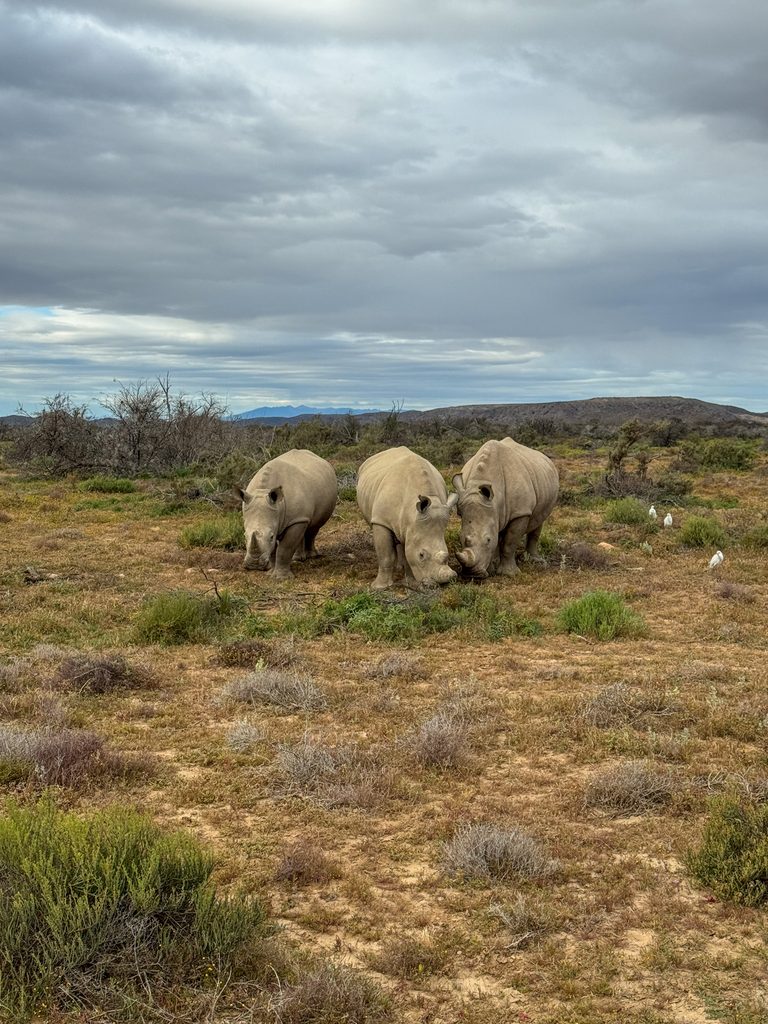
There is no single best time for an African safari because Africa is not one safari destination.
Tanzania isn’t South Africa.
Kruger isn’t the Serengeti.
A gorilla trek isn’t a game drive.
And even within one country, the right month can depend on the exact experience you’re trying to have.
That’s why I’d be suspicious of any answer that gives you one “best month for safari in Africa” without asking where you’re going and what you want to see.
How Far in Advance Should You Plan an African Safari?
This is another section I absolutely want in the article because it connects search intent directly to why someone should contact you instead of endlessly researching.
Safari trips have several moving pieces that can have limited availability: specific camps and lodges, internal transportation, guides, permits and highly seasonal experiences.
Rwanda is a particularly obvious example because gorilla trekking requires permits, and Visit Rwanda recommends booking in advance.
So if Africa is your “someday” trip, I’d start the conversation before someday turns into three months before departure and we’re trying to build the entire trip around what’s left.
You don’t need to have the itinerary figured out before you reach out.
That’s my job.
What I Need to Know Before Planning Your Safari
You don’t need to tell me which lodge you found on Instagram.
Give me this instead:
Who’s going?
How old is everyone?
When can you travel?
How many days do you have?
Which animals or experiences would you be genuinely disappointed to miss?
How active do you want to be?
How many days of game drives sound exciting before they start sounding repetitive?
Do you want to pair safari with a beach, city or another destination?
What’s your comfortable trip budget?
Where are you willing to splurge, and what don’t you care about spending more on?
That’s useful information.
That’s how we get from:
“I want to go on an African safari.”
to:
“This is the trip that actually makes sense for us.”
You Don’t Need to Know Which Safari You Want Yet
If you’ve been researching Tanzania, Kenya, South Africa and Rwanda and now have 37 browser tabs open and somehow more questions than when you started, you’re allowed to stop.
You don’t need to choose the destination before contacting me.
Tell me what you’re dreaming about, who’s traveling, when you can go and what matters most.
I’ll help narrow down the destinations, experiences and itinerary that actually fit.


MEET YOUR TRAVEL CURATOR
About Amanda
I’m Amanda, founder of Elegant Escapes Travel. I plan travel worldwide, from honeymoons and destination weddings to cruises, European escapes and family vacations. I combine firsthand experience, trusted industry relationships and the details I learn from planning real trips to help you travel smarter.
feartured post
From the Classroom to the World
I didn't start my career in travel. I spent 12 years as a special education teacher.
Search


Journal
the
POPULAR RESULTS


BEST THE JOURNAL
of


follow along @elegant.escapes.travel
Or
@Elegant.escapes.weddings
Elsewhere
Your Next Escape Starts With Inspiration.
Come along for firsthand travel experiences, behind-the-scenes discoveries, honest hotel and cruise insights, and the little details that make a destination worth exploring. Consider it your invitation to see the world through the eyes of a travel professional.


+ Show / Hide Comments
Share to: