


When Is the Best Time to Visit? Peak vs. Shoulder vs. Low Season Explained
September 30, 2026



Googling “best time to visit [insert destination here]” seems like a perfectly reasonable way to start planning a trip.
And it is.
Until Google confidently tells you that the best time to visit is “May through September” without explaining that best is doing a lot of heavy lifting in that sentence.
Best for what?
Best weather?
Fewer crowds?
Lower prices?
The experiences you actually want to have?
Those aren’t always the same month.
The truth is, there usually isn’t one universally perfect time to visit a destination.
There’s the best time for you to visit it.
The best time to travel depends less on finding the “perfect” month and more on deciding which trade-offs matter to you.
Before you choose travel dates based on a search result, it helps to understand the difference between peak season, shoulder season and low season, and more importantly, what each one could mean for your actual vacation.
The Elegant Escapes Difference
Book with Elegant Escapes Travel to access exclusive perks and experiences on your trip.

What Is Peak Season?

Peak season is the time of year when a destination experiences its highest travel demand.
That demand may be driven by great weather, school vacations, holidays, festivals, wildlife seasons, ski conditions or something else travelers specifically want to experience.
In other words, there’s usually a reason everyone wants to go at the same time.
The upside of traveling during peak season
Peak season may give you the best chance of experiencing a destination exactly as you envisioned it.
Seasonal attractions and experiences are more likely to be operating. Restaurants, hotels and tours may be in full swing. Weather may also be more favorable for the activities that brought you there in the first place.
If you’re traveling for a very specific experience, those advantages can easily outweigh the downsides.
The trade-off of peak-season travel
You’re not the only person who figured out that it’s a great time to go.
Higher demand can mean higher hotel rates, more expensive flights, fewer desirable room categories and more competition for popular tours, restaurant reservations and other experiences.
And yes, more people.
A lot more people in some destinations.
That doesn’t make peak season a bad time to travel.
Sometimes peak season is exactly when you should go.
Amanda’s Take:
I wouldn’t automatically move a trip out of peak season just to avoid crowds or save money.
If there’s a specific reason you’re traveling to a destination at that time of year, I’d rather start there and figure out how to plan the trip well than send you during a “better value” month when you can’t actually have the experience you wanted.
What Is Shoulder Season?
Shoulder season is the period between a destination’s peak season and low season.
You’ve probably heard it described as the secret to traveling better:
Fewer crowds.
Lower prices.
Good weather.
More availability.
And sometimes, that’s exactly what you get.
But shoulder season isn’t a magic travel hack, and it doesn’t mean the same thing everywhere.
Potentially fewer crowds
Travel outside the busiest periods and you may have fewer people competing for the same hotels, restaurants and experiences.
Potentially better value
Lower demand can sometimes mean better hotel or airfare pricing, but don’t assume shoulder-season dates will automatically be cheaper.
Potentially great weather
You may get beautiful weather without traveling during the destination’s busiest months. The trade-off is that conditions can also be less predictable.
Is shoulder season actually the best time to travel?
Sometimes.
But it depends on the destination and what you want to do when you get there.
A shoulder-season trip can come with trade-offs: changing weather, fewer seasonal services, reduced transportation schedules or experiences that aren’t operating yet or have already finished for the year.
And there’s another wrinkle.
As more travelers try to avoid traditional peak travel periods, some destinations are seeing those once-quieter months become much busier.
So I wouldn’t choose September, October, April or May simply because someone labeled it “shoulder season.”
I’d look at the specific destination, the specific year and the specific trip you’re trying to take.
What Is Low Season?
Low season, sometimes called off-season travel, is generally the period when a destination receives less visitor demand.
This is also where travelers can find some very tempting prices and availability.
Before getting too excited about either one, though, I want to know something:
Why is demand lower?
There may be a very good reason.
Depending on the destination, low season could mean:
- Hotter or colder temperatures
- A rainier period
- Greater potential for disruptive weather
- Seasonal hotel or restaurant closures
- Reduced ferry, flight or transportation schedules
- Attractions or tours that aren’t operating
- Conditions that aren’t ideal for the experience you want
None of those automatically means you shouldn’t go.
Maybe you don’t care about a little rain.
Maybe cooler temperatures sound fantastic.
Maybe you’d happily trade perfect beach weather for fewer people.
That’s the point.
The trade-off only matters if it matters to you.
A lower price isn’t a better value if you’re giving up the reason you wanted to take the trip in the first place.
Peak Season vs. Shoulder Season vs. Low Season: Which Is Better?
There isn’t one answer.
And this is where I think generic “best time to visit” advice starts becoming a lot less useful.
Two people can travel to the exact same destination at completely different times of year and both make the right decision.
One traveler may happily pay more for warmer weather and the best chance of swimming every day.
Another would gladly risk a cooler afternoon if it means fewer crowds.
A family tied to a school calendar has completely different options than a retired couple with flexible dates.
Someone planning a honeymoon may prioritize weather and hotel selection differently than someone planning a sightseeing-heavy trip through Europe.
The right travel season depends on the traveler.
How to Decide the Best Time to Visit a Destination
Would bad weather seriously affect your trip?
There’s a big difference between dealing with an occasional rainy afternoon and traveling during a time of year when weather could prevent you from doing the main thing you came to do.
If reliably favorable weather is your top priority, traveling during a busier or more expensive period may be worth it.
Be honest about this one.
Some travelers don’t care.
Others will enjoy a destination significantly less if every attraction, restaurant and viewpoint is packed.
If you’re in the second group, I’d consider that when deciding when and where you travel.
This can completely change the answer.
Maybe you want to ski.
See wildlife.
Visit Christmas markets.
Spend every day swimming.
Attend a particular festival.
Take a specific cruise itinerary.
Hike.
Visit seasonal restaurants.
See a destination covered in fall colors.
The question isn’t just “When is the weather nice?”
It’s “When can I actually do the things I’m traveling there to do?”
School schedules, work calendars, PTO, weddings and other commitments have a funny way of ignoring the internet’s recommendation for the “perfect” month to travel.
If your dates aren’t flexible, that’s okay.
It just means timing becomes part of the planning instead of something we can optimize independently.
I don’t automatically recommend the cheapest time to visit a destination.
I’d rather figure out where spending more actually improves your trip.
Maybe that’s better weather.
Maybe it’s a nonstop flight.
Maybe it’s staying at the hotel you actually want.
Maybe it’s a better room category.
And maybe you’d rather travel during a less expensive period so you can put more toward private tours, great hotels or experiences.
Those are very different decisions from simply asking, “What’s the cheapest month to go?”
This might be the most useful question of all.
Would you accept a little rain for fewer crowds?
Would you deal with crowds for reliably better weather?
Would you travel during a hotter month if it meant staying at the hotel you really want?
Would you spend more to travel during the exact season you’ve been dreaming about?
Once I know where you’re willing to compromise and where you’re absolutely not, choosing the right time to travel gets a lot easier.
Amanda’s Take:
When someone asks me, “What’s the best time to visit?”, I don’t want to throw a month at them without knowing anything else.
Tell me you hate crowds.
Tell me you’re willing to risk a little rain.
Tell me swimming in the ocean every day is non-negotiable.
Tell me your kids can only travel during spring break.
Tell me you’d rather spend more on the hotel than travel during the most popular month.
That information is useful.
Now I can help figure out when the destination actually makes sense for you.
The Same Destination Can Be a Completely Different Trip
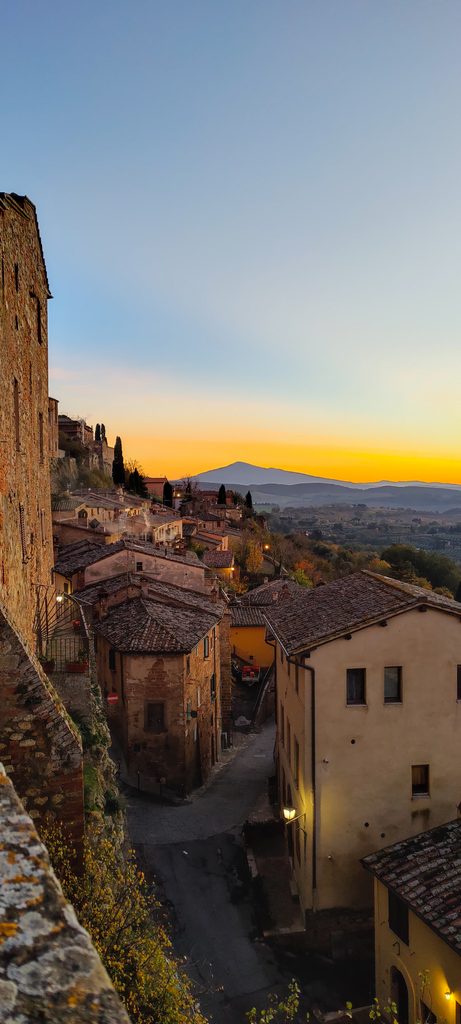
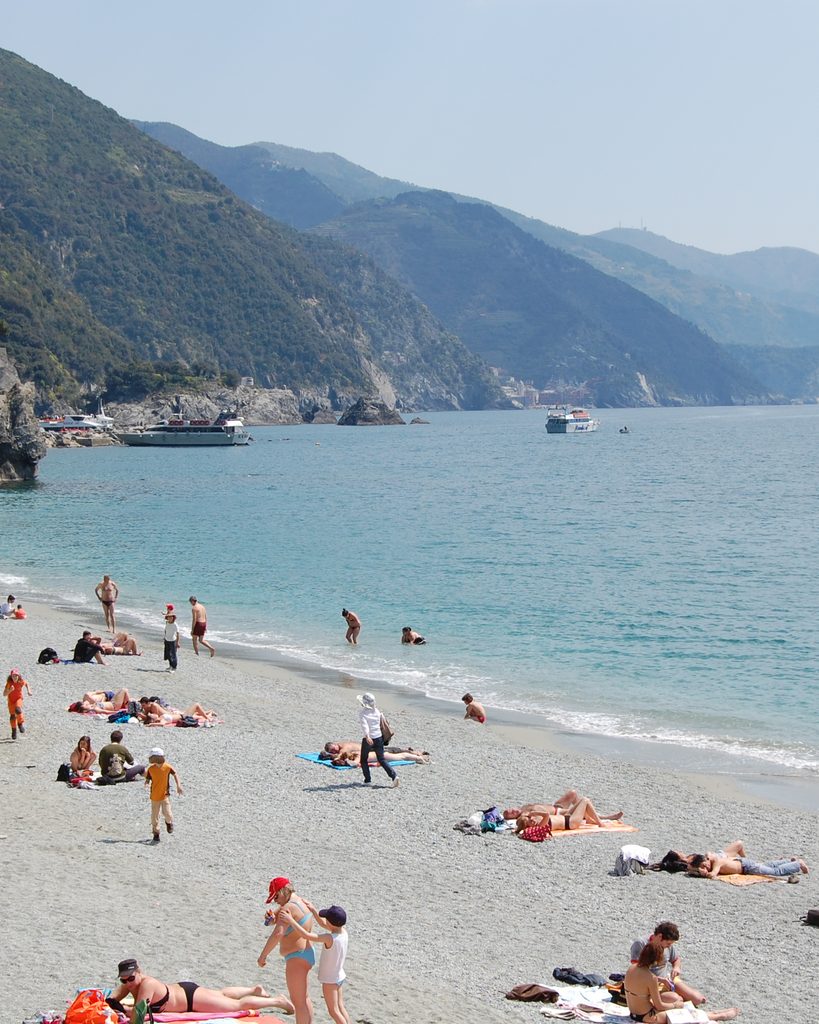
A destination doesn’t stay exactly the same twelve months a year.
Change the month and you can change the weather.
The crowds.
The hotel availability.
The pricing.
The activities.
The atmosphere.
Even how easy it is to get there and move around once you arrive.
That’s why searching “best time to visit Italy,” “best time to visit Greece,” “best time to visit Hawaii” or any other destination is only the beginning of the conversation.
The more useful question is:
When is the best time for me to take this particular trip?
Is Shoulder Season Always Cheaper?
No, and this is one travel assumption worth getting rid of.
Shoulder season can offer better pricing in some destinations, but increased demand for traditionally quieter travel periods means those savings aren’t guaranteed.
A destination can also have multiple demand patterns within the same season because of holidays, festivals, conventions, school calendars and major events.
So if your entire plan is:
“We’ll go during shoulder season because it’ll be cheaper.”
I wouldn’t book anything based on that assumption alone.
Compare the actual trip.
Flights.
Hotels.
Availability.
Weather.
Experiences.
And what you’re getting for the money.
Price is one piece of the decision, not the decision.
Is It Better to Travel During Off-Season?
It can be.
Low-season or off-season travel can be fantastic for the right traveler and the right destination.
The key is knowing what you’re trading.
If the main attraction is still available, the weather doesn’t bother you and seasonal closures won’t meaningfully affect the trip, you may love traveling when fewer people are there.
But if you’re saving money only to discover that the beach conditions aren’t what you wanted, your must-do excursion isn’t operating or half the places you wanted to visit are closed, that “deal” isn’t looking quite so impressive anymore.
Good value isn’t automatically the lowest price.
It’s getting the trip you actually wanted for an amount you’re comfortable spending.
So, When Is the Best Time to Travel?
The annoying travel-agent answer is:
It depends.
But it really does.
Peak season can be the right choice.
Shoulder season can be the right choice.
Low season can be the right choice.
I care much less about which label your dates fall under and much more about whether those dates match your priorities, expectations and reason for taking the trip.
That’s the difference between finding a technically correct answer online and actually choosing the right time for your vacation.
Already Know Where You Want to Go, But Have No Idea When?
Perfect.
You don’t need to figure out the “best” month on your own before reaching out.
When I help plan a trip, I look at your dates, who’s traveling, what you want to experience, your travel style, weather tolerance, crowd tolerance and what matters enough to spend more on.
Then we can figure out when the trip makes sense for you, before narrowing down the hotels, resorts, cruises, transportation and experiences that fit.
Already have dates but aren’t sure where to go? That’s okay, too. Sometimes the calendar chooses the dates first and we choose the destination around them.







MEET YOUR TRAVEL CURATOR
About Amanda
I’m Amanda, founder of Elegant Escapes Travel. I plan travel worldwide, from honeymoons and destination weddings to cruises, European escapes and family vacations. I combine firsthand experience, trusted industry relationships and the details I learn from planning real trips to help you travel smarter.
feartured post
From the Classroom to the World
I didn't start my career in travel. I spent 12 years as a special education teacher.
Search


Journal
the
POPULAR RESULTS


BEST THE JOURNAL
of


follow along @elegant.escapes.travel
Or
@Elegant.escapes.weddings
Elsewhere
Your Next Escape Starts With Inspiration.
Come along for firsthand travel experiences, behind-the-scenes discoveries, honest hotel and cruise insights, and the little details that make a destination worth exploring. Consider it your invitation to see the world through the eyes of a travel professional.


+ Show / Hide Comments
Share to: